


The symbolic meaning behind the colours of Holi, the Hindu 'festival of colours'

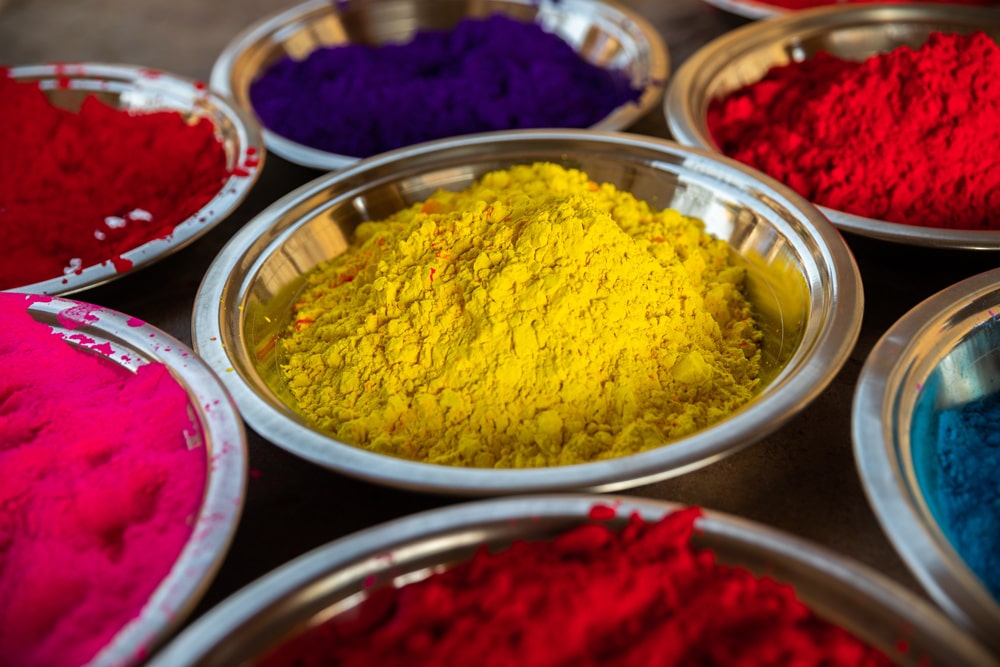
Symbolising the triumph of good over evil and the oncoming spring, the Hindu festival of Holi is a time when children and adults take to the streets in pristine white kurtas and throw gulal (coloured powder) to celebrate together. If you’ve been lucky enough to ‘play’ Holi then you’ll know it’s a lot of fun, not to mention very, very messy.
Traditionally, the colours were made from flowers, spices, and herbs, but today they’re mostly synthetic (and much more difficult to get out of your clothes)—although more recently, there’s been a return to natural alternatives. And, just as with colour psychology, there’s a symbolic significance behind each of the Holi colours. So read on to take a closer look at the meaning behind the colours of Holi.
Green: the first colour of spring
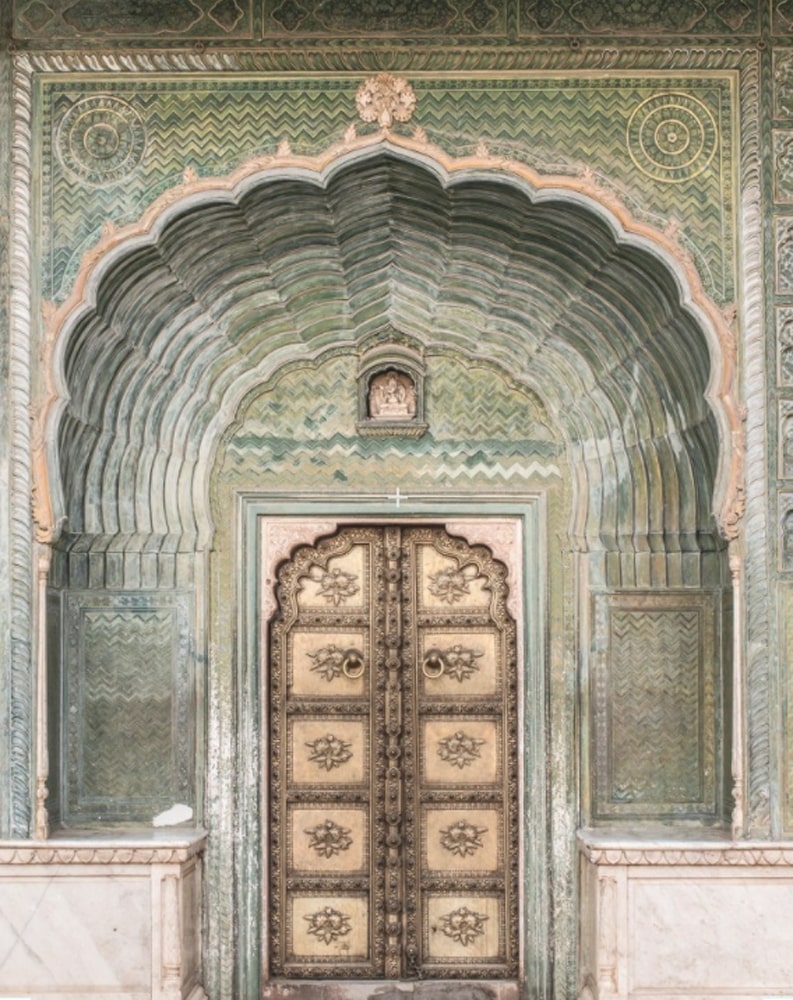
The festival of Holi demarcates the beginning of spring and coincides with some smaller agricultural festivals across the country. Therefore green - the first colour of spring and new beginnings - is prominent in its celebration. And it’s not just according to Hinduism.
Similarly, according to colour psychology, it represents peace and serenity, nature, as well as new beginnings and new growth. Charlotte, our International Color Consultant, explains how “green represents peace and harmony, a colour we have seen many gravitate towards over the last couple of years. It is a gentle reminder of new beginnings, not just in mother nature but in our homes/ourselves too”. This idea has even made its way to everyday speech: there’s a reason we describe someone who is new or inexperienced as being ‘green’!

Blue: the God’s
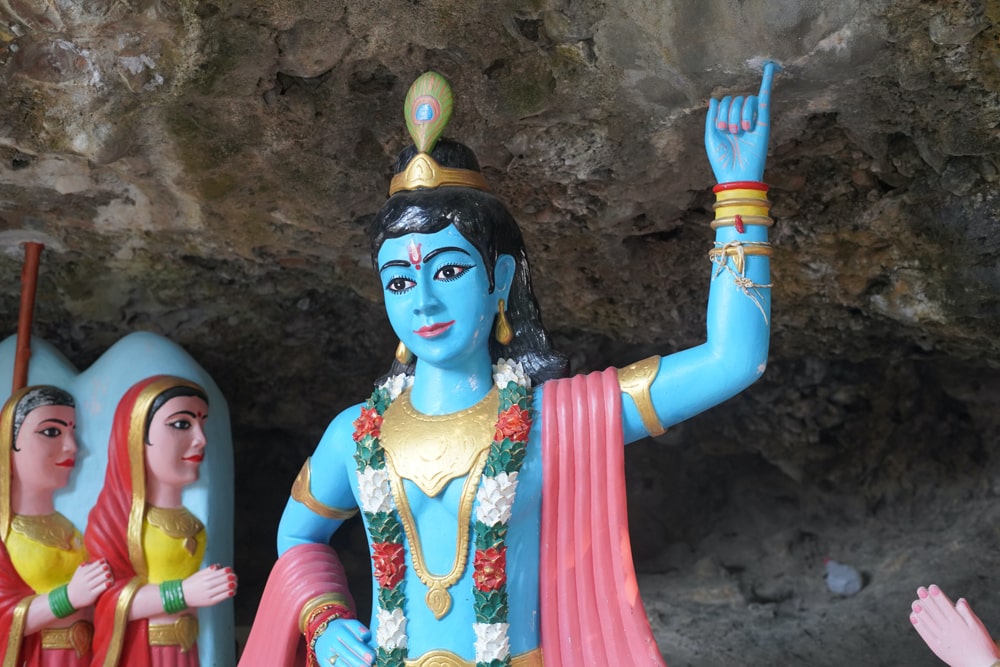
The blue skin of some of Hinduism’s most powerful gods and goddesses represents the infinite and immeasurable, like the apparent endlessness of the sea and sky. Much like in colour psychology, where it can be linked to our intuition, along with a sense of reflection, serenity, and clarity. The colour blue, or indigo to be precise, is also hugely significant throughout Indian handicrafts. In fact, it was the latter of the two ‘blue mutines’, led by Mahatma Gandhi, that would ultimately lead to Indian independence in 1947. So in many ways, it is the colour of freedom.
Saffron: purity, victory, chastity
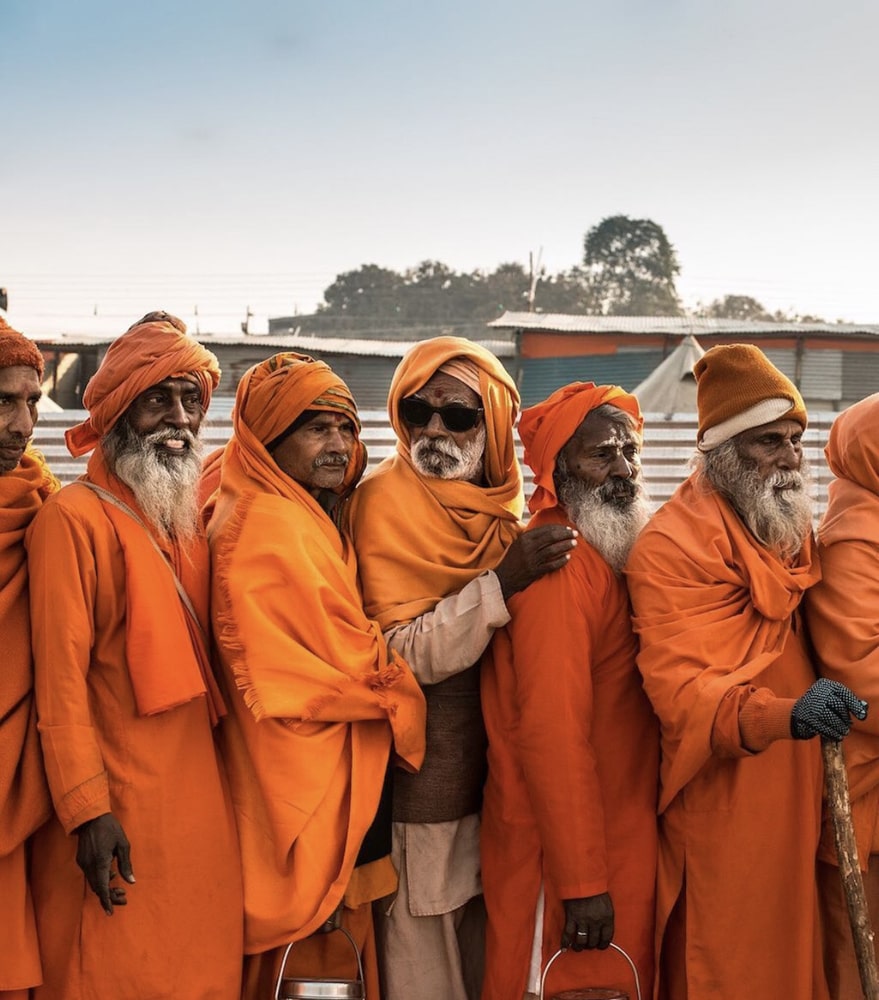
You’ll find a deep, yellow-orange, known as saffron, prominent throughout Hinduism. Symbolic of purity, strength, courage, and chastity you’ll spot it on the robes worn by Hindu holy men, marigold garlands used for religious ceremonies, and on India’s national flag.
Charlotte explains how “according to colour psychology, yellow is all about our emotions, whilst both yellow and orange can be mood-boosting and benefit our self-esteem”. You only need to pair it with the rest of the Holi colours for a seriously smile-inducing palette.
Red: the life-cycle
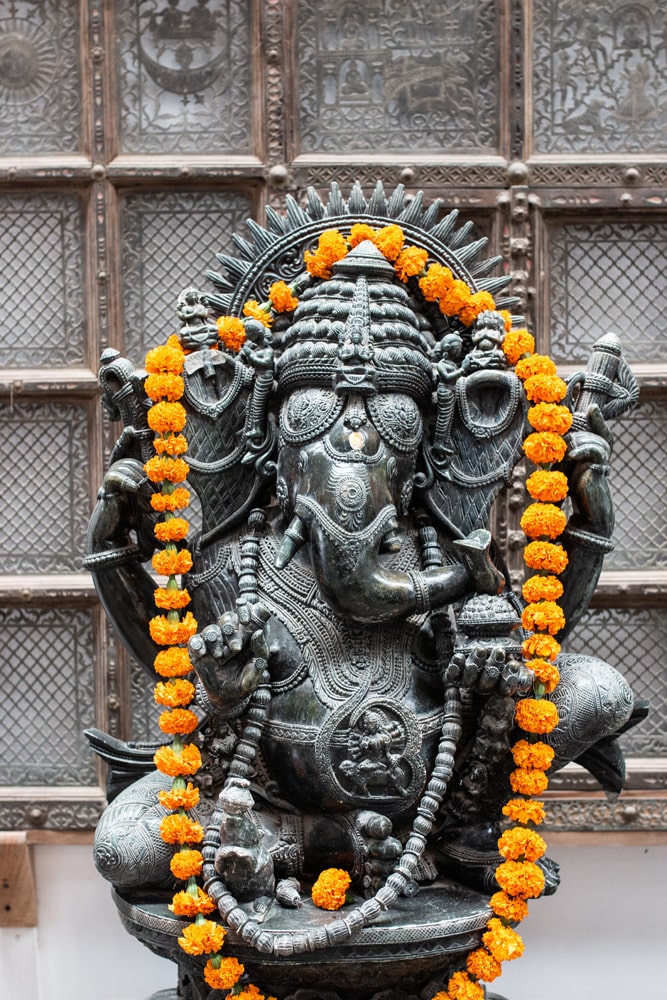
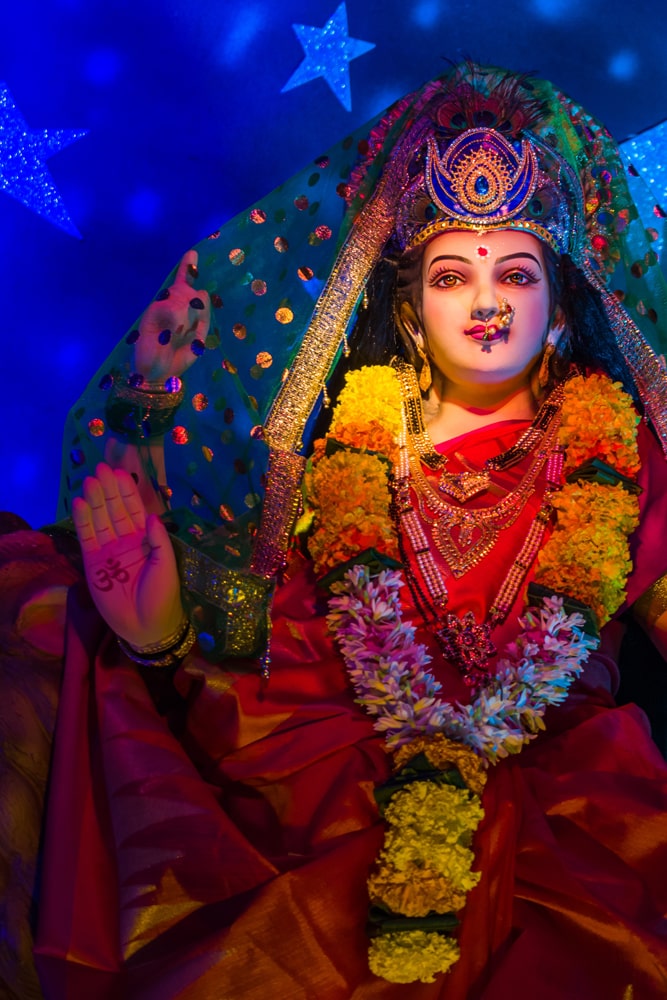
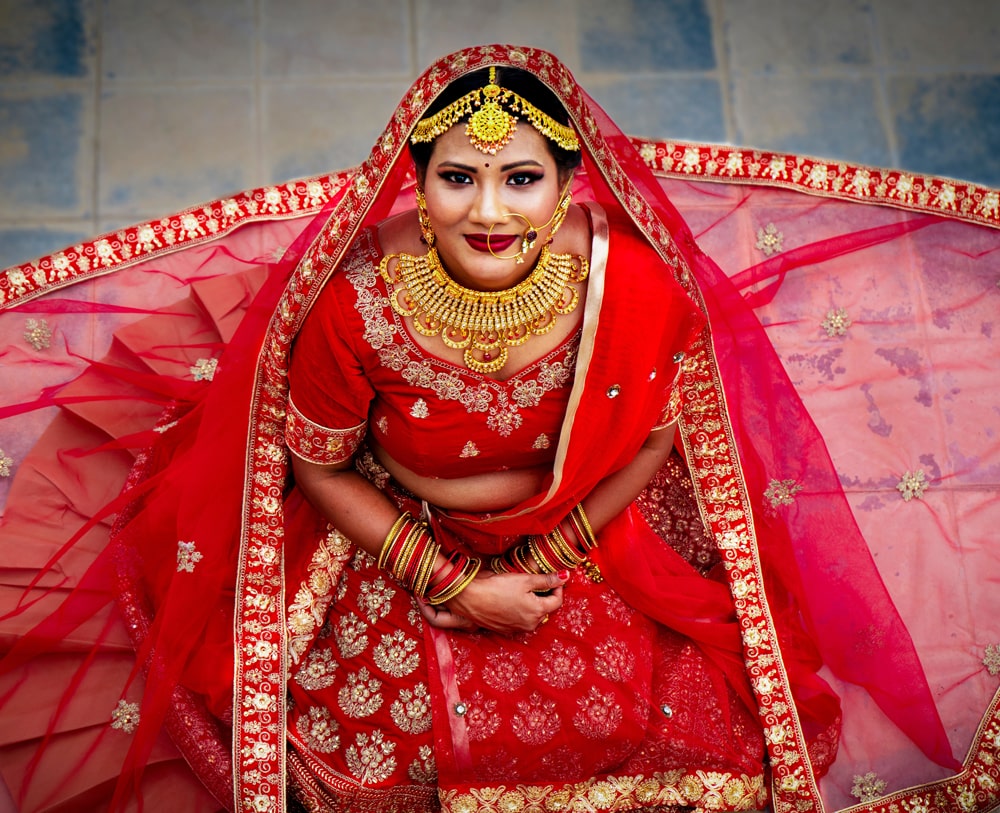
Another integral colour according to the Hindu religion, red symbolises the life-cycle: fertility, marriage, and death. According to colour psychology, red symbolises warmth, passion, and courage. So it comes as no surprise that red is often connected to Durga, a warrior goddess in Hindu mythology who symbolises strength and power. In India, Hindu brides wear a red sari and traditionally, a married woman would apply a red sindoor in the parting of her hair. When a woman dies, she is cremated with a red veil covering her body.
Pink: “the navy blue of India”
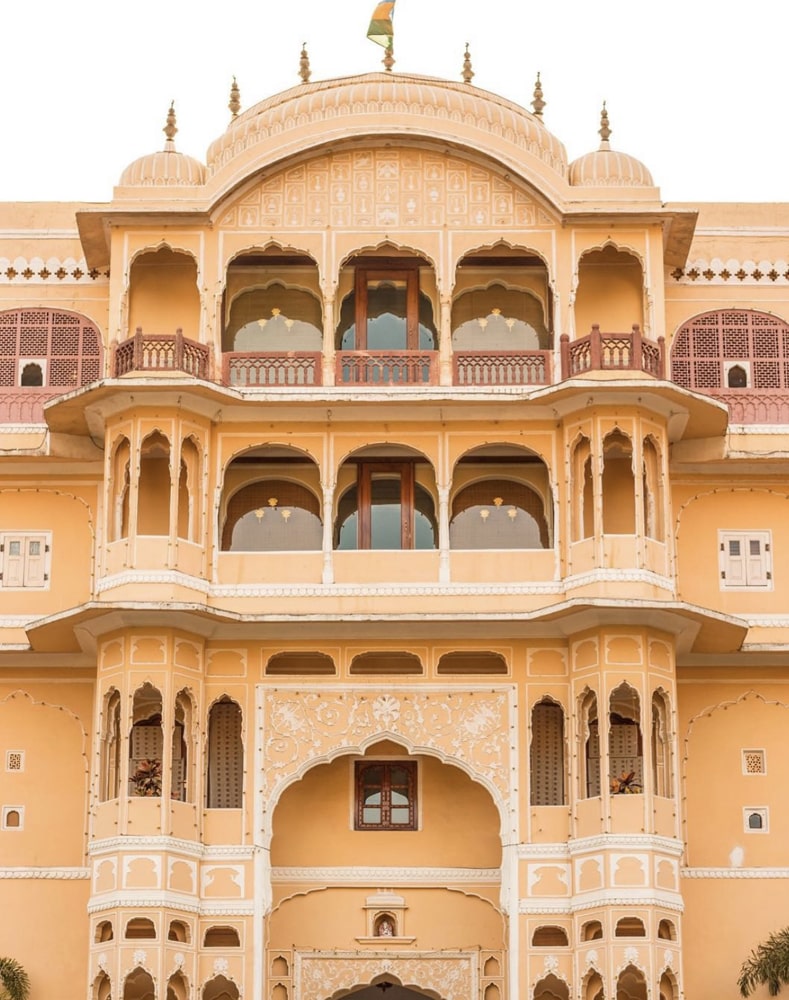
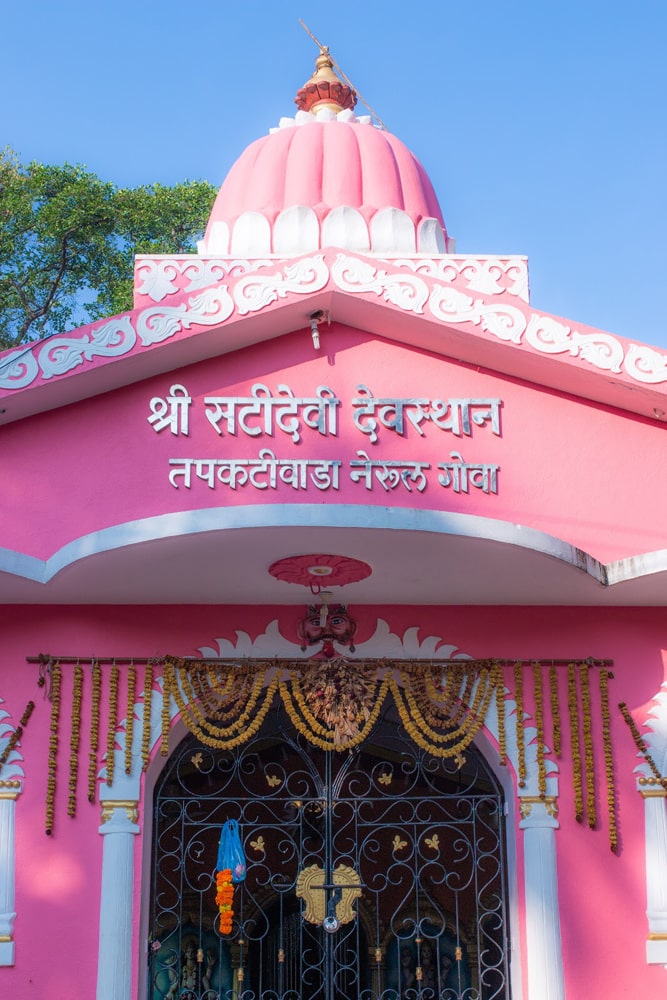
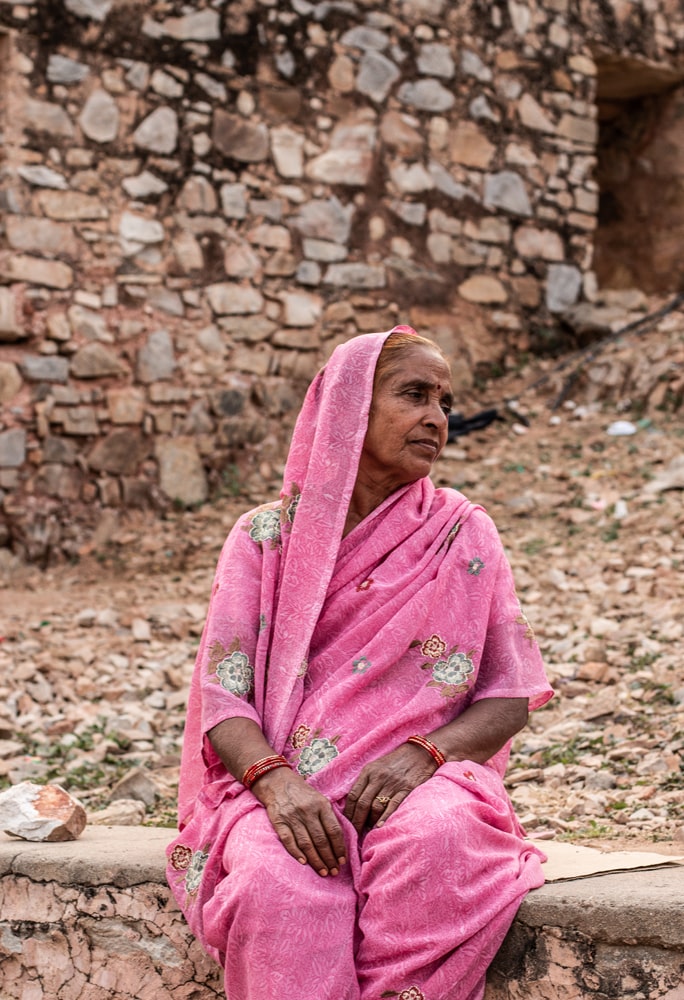
One of the more modern additions to the Holi colour palette. From magentas to cameos, whilst pink doesn’t have a specific religious meaning in India, it is ever-present across the country. No better described than when legendary Vogue fashion editor, Diana Vreeland, described it as “the navy blue of India” due to its ubiquity.
Pink is also not gendered in the same way as it is in European countries, being a common turban colour choice for celebrations.
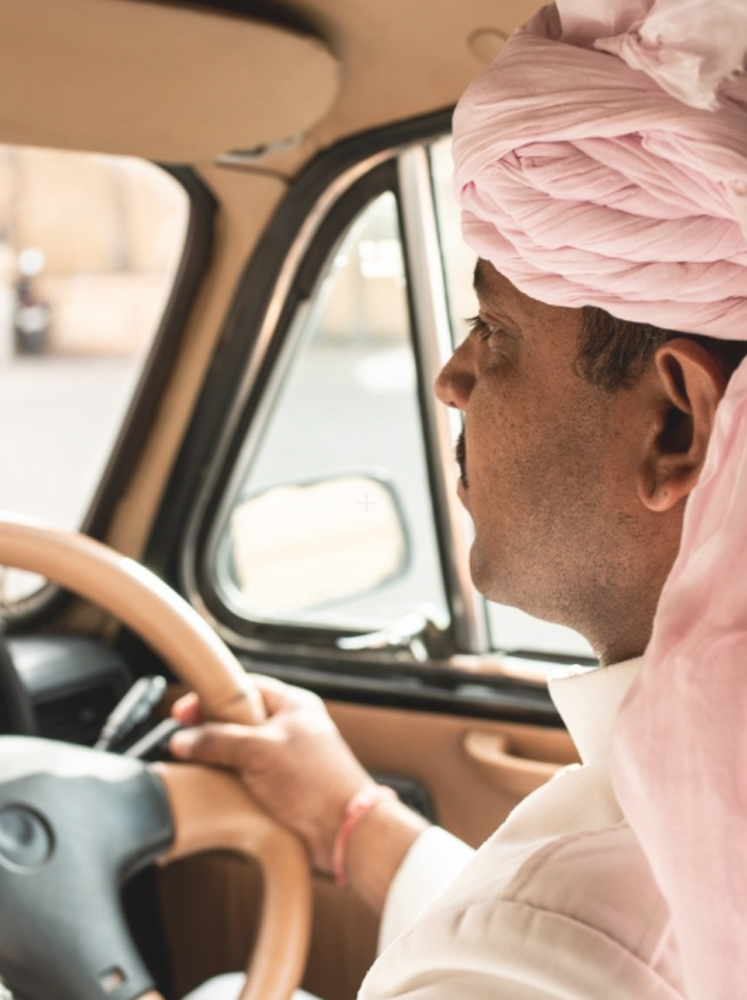
As Charlotte explains, “light pink is nurturing and soft, symbolising motherly love, whilst stronger pinks like magenta are empowering and strong”. The Gulaab Gang, (gulaab is Hindi for ‘pink’) a group of female vigilantes, epitomises this combination of maternal love with power and strength.
And there you have it—the meaning behind the colours. Wherever you are in the world, we hope you have a happy Holi. Bring on the spring!