


Interior trends: what is traditional home decor?

We love exploring new and in-vogue styles, but sometimes it’s good to revisit our origins and look back to where it all began. This brings us to traditional home decor. Inspired by 18th and 19th-century European fashions, traditional home decor is timeless. You’ll recognise elements of it from country houses or period homes. It’s warm and cosy yet with some strong heritage elements—and if you grew up in a traditionally decorated home, you’ll find it particularly comforting. So, if you’d like to incorporate this welcoming decor style into your home: read on.
What is traditional home decor?
Traditional decor is synonymous with timeless style. The colour palette is subdued with a sparing use of rich colours, whilst wood furnishings and floorboards tend to be darker. Above all, it should feel warm and welcoming, with an element of familiarity. Whether in wallpaper or fabrics, patterns and motifs maintain a traditional style, such as florals or stripes. So, if you love nothing more than a Sunday spent rummaging around your neighbourhood’s antique stores or are interested in the history of design and furnishings, then you might just find yourself loving traditional decor.
The history behind traditional decor
The World Wars had a huge impact on interior design. While the modern decor movement championed a utilitarian style and the new materials and innovative designs discovered during this period, traditional decor hummed along happily in the background. Mainly inspired by French and English fashions, its foundations are firmly in the 18th and 19th centuries. However, following a lull in production between the wars, contemporary furniture designers began making reproductions using the same methods as ever before. Though it might be a favourite style in period homes, a traditionally decorated home doesn’t have to be filled with priceless, centuries-old antique furnishings.
Key characteristics of traditional decor
Subtle neutral colour palette with sparing use of bold colour
At its core, traditional decor leans towards a more neutral colour palette. However, classic colours like Green 02 or Blue 01 will add warmth and create a soothing, tranquil environment. Or what about a bit of dark and moody Blue 07 on your kitchen cabinets? Antique wall tapestries or a large Persian rug are a statement way to bring bold colours to a room. Plus, you can use these centralising pieces to inform your colour selections throughout your decor.
Focus on spaces feeling functional, family-friendly, and comfortable
A traditionally decorated home should feel comfortable and be functional. It shares an emphasis on reusing and repurposing, in keeping with cottagecore decor (not to mention a shared love of florals). You could even incorporate elements of the hygge trend to hone that warm and welcoming feel. If there’s anything that you’re too precious about or are worried about children, dogs or muddy shoes getting close to, then it might not be quite right for this style. Traditional decor shouldn’t feel cold or exclusionary. It’s about creating a reassuring and dependable backdrop for a family-friendly home.
Use of antique furnishings
Perhaps you have an old dresser that belonged to your grandmother or a set of dining room chairs that have been handed down to you? Traditional decor is a great option to incorporate these pieces into your home without them looking out of place. That said, you don’t have to own a home full of heirlooms to get the look. Traditional decor is a wonderful way to support local artisans. From modern-day carpenters recreating bobbin chair furnishings to traditional upholsters still working with coir fibers and hessian fabric. There’s no denying they cost more but think of it as an investment. By supporting these traditional techniques, you’re keeping these crafts alive.
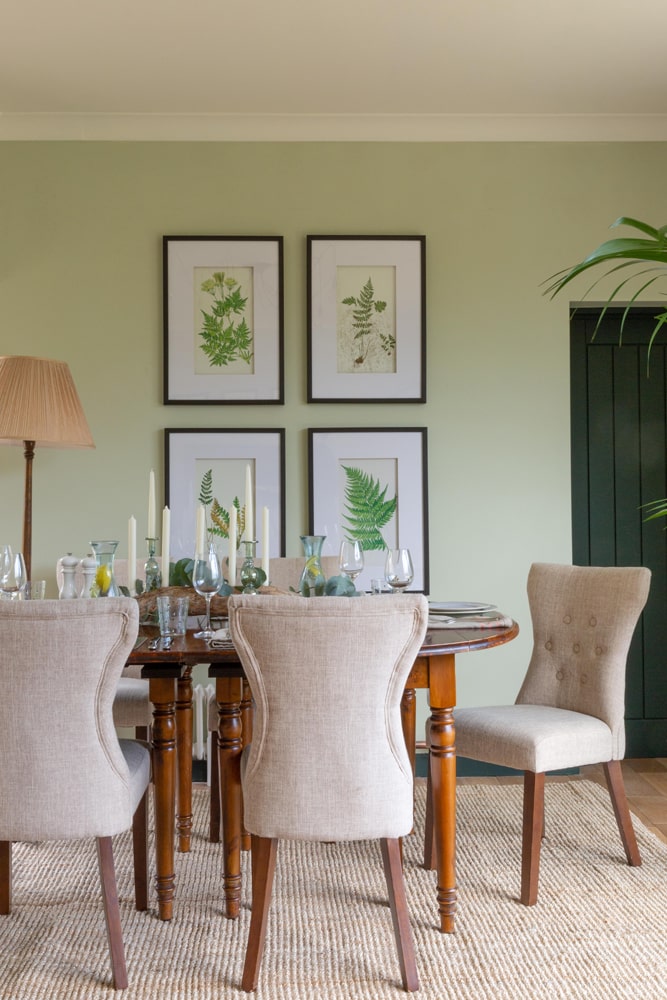
Use of patterns with traditional motifs
Incorporate patterns into your home through wallpaper. An integral part of traditional decor, you can use your wallpaper to create a DIY mood board. Opt for classic styles, like stripes, floral prints or fleur de lis and damask motifs, as spotted in Botanical 03. The same applies to fabric—a great way to add warmth texture to a room. So, whether through your wallpaper, your fabric choices or your floor tiles, if you want to go for pattern, go traditional.
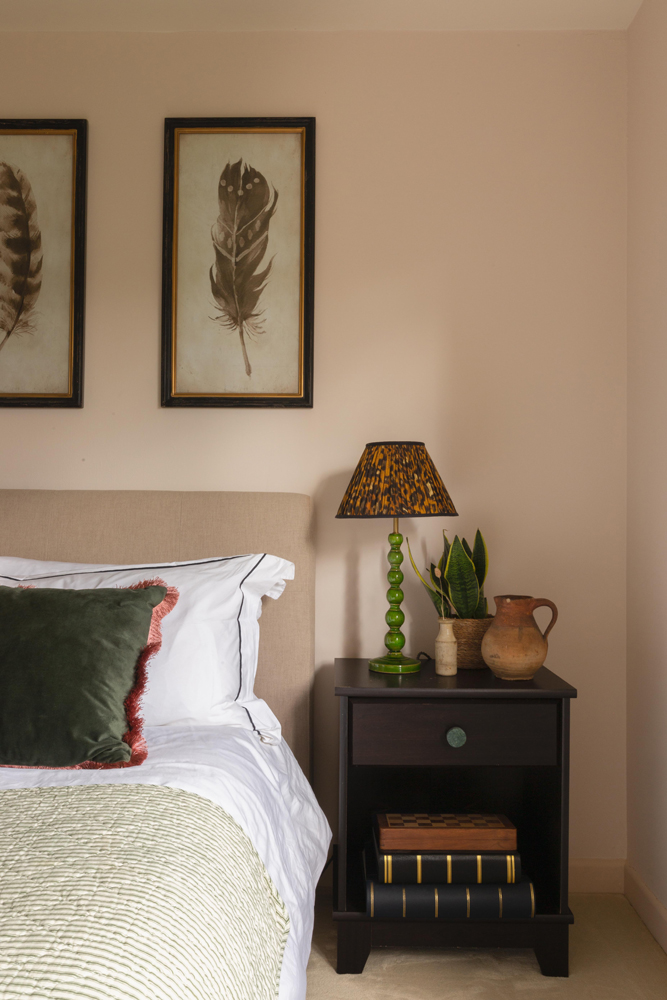
Emphasis on symmetry
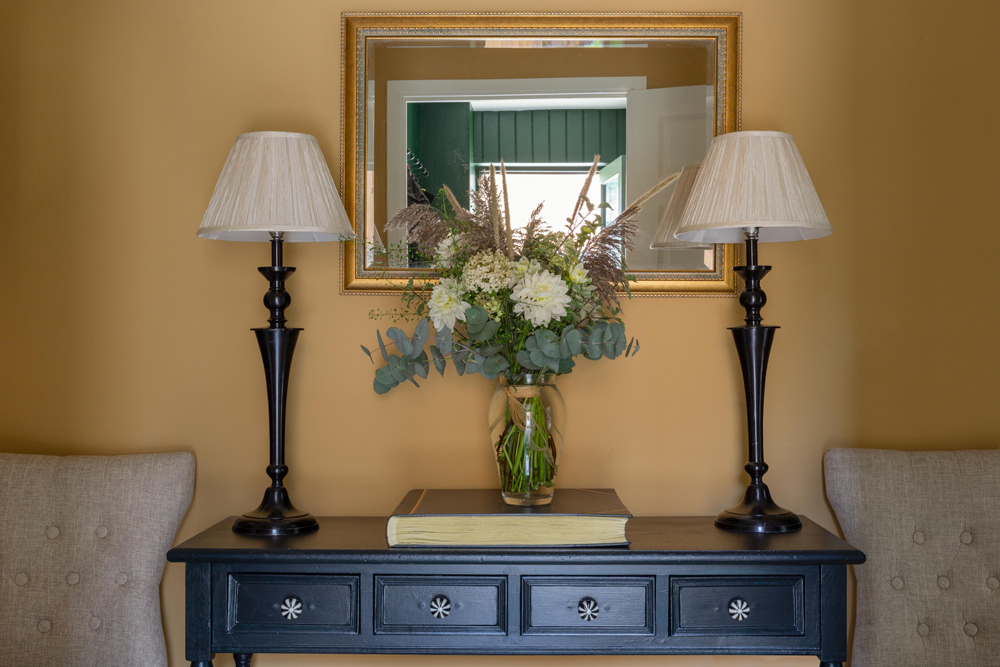
There’s something conventional and dependable about a symmetrical use of space. It’s calming and easy on the eye: it doesn’t surprise. So it's fitting that symmetry should be a key factor within traditional decor. This can be created through matching armchairs, bedside lamps, or the classic pair of porcelain figures on either side of a mantelpiece. Artwork is also a great way to achieve this symmetrical look in a traditional decor home. A couple of gilt-framed portraits hung on either side of your bed or sofa is a sure-fire way to achieve that harmonious traditional decor look.
Traditional architectural elements
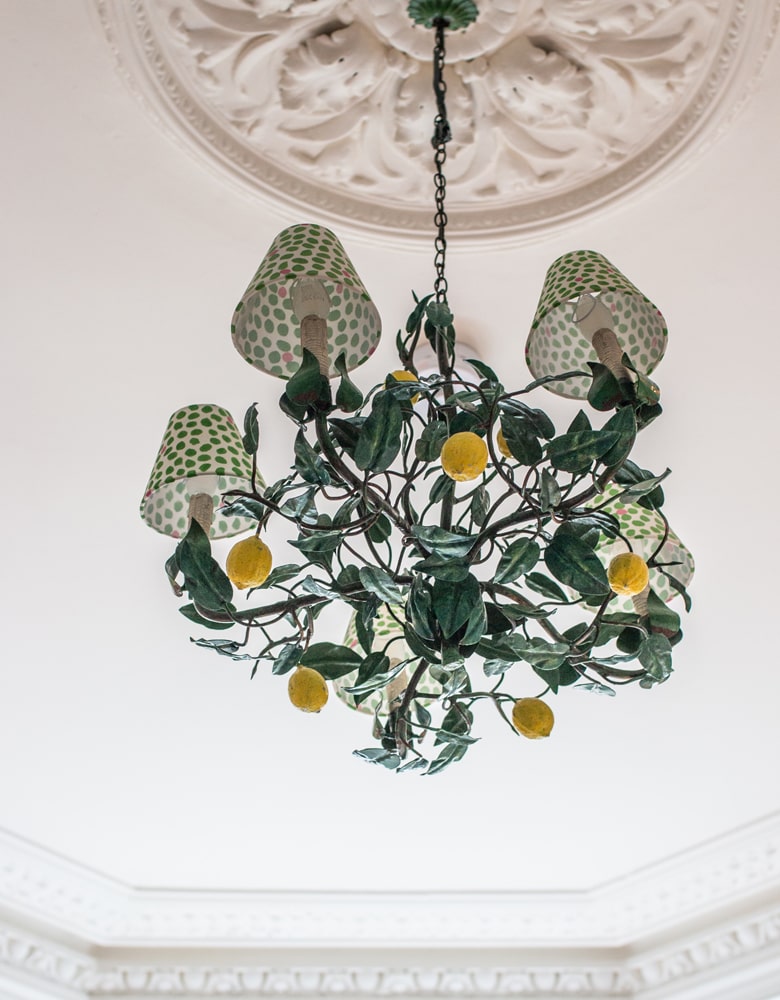
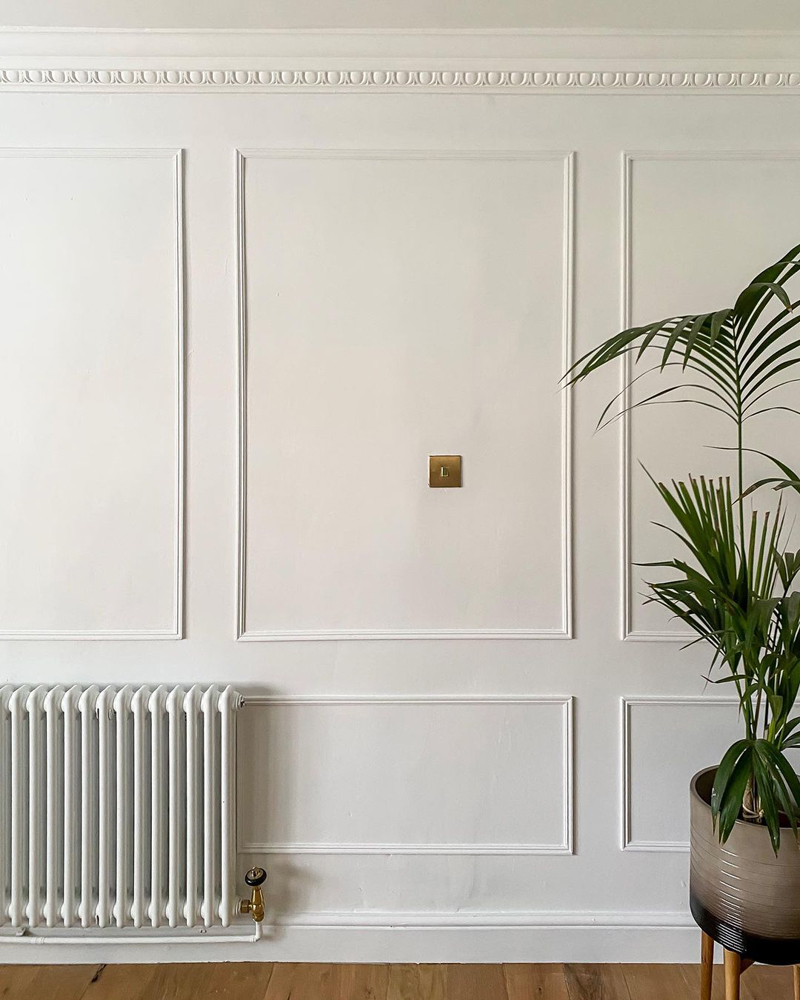
You can get the traditional decor look in any home, but it does lend itself to period properties. And with period homes come period features, like ornate fireplaces, beams, cornicing and ceiling roses. Make the most of these. Take a look at our 6 dado and picture rail ideas to make sure your architectural elements sing. For example, you don't always have to go light with your woodwork. Why not consider creating a traditional decor dining room fit for entertaining by going darker with your woodwork paint than your wall paint. Alternatively, if your house doesn't have any period features, create your own by learning how to do DIY wall panelling.
If you like the sound of this time-tested decor style, then why not recreate a family-friendly traditional kitchen? Or take a look at these traditional decor living room ideas.