


Interior trends: what is biophilic design?

More than a design trend, biophilic design taps into a core part of human nature; our intrinsic desire to be connected to the natural world. Biophilia is a way of inviting the refreshing, revitalising and restorative qualities of nature into your home through colour, pattern, materials, light, and architecture.
Today, around 56% of the world's population lives in cities, with most of us spending over 90% of our time indoors. This has created a disconnection from nature. Biophilic design aims to remedy that. Linked to reduced stress, enhanced creativity and clarity of mind— decorating your home with biophilia in mind can bring balance and harmony into your life.
Biophilic design in architecture
In architecture, some of the most important components of biophilic design include:
- A human-centred approach to design, incorporating communal spaces for everyone to enjoy.
- Maintaining a comfortable temperature through natural means
- Good air quality and ventilation with minimised toxin levels
- Acoustic comfort using natural sounds
- Use of natural light
- Internal and external views of nature
- The use of natural materials, textures, and colours
- Incorporating recuperative spaces
Great news if you're building your home from scratch, but how can we incorporate some of these hallmarks of biophilia into our interior design projects?
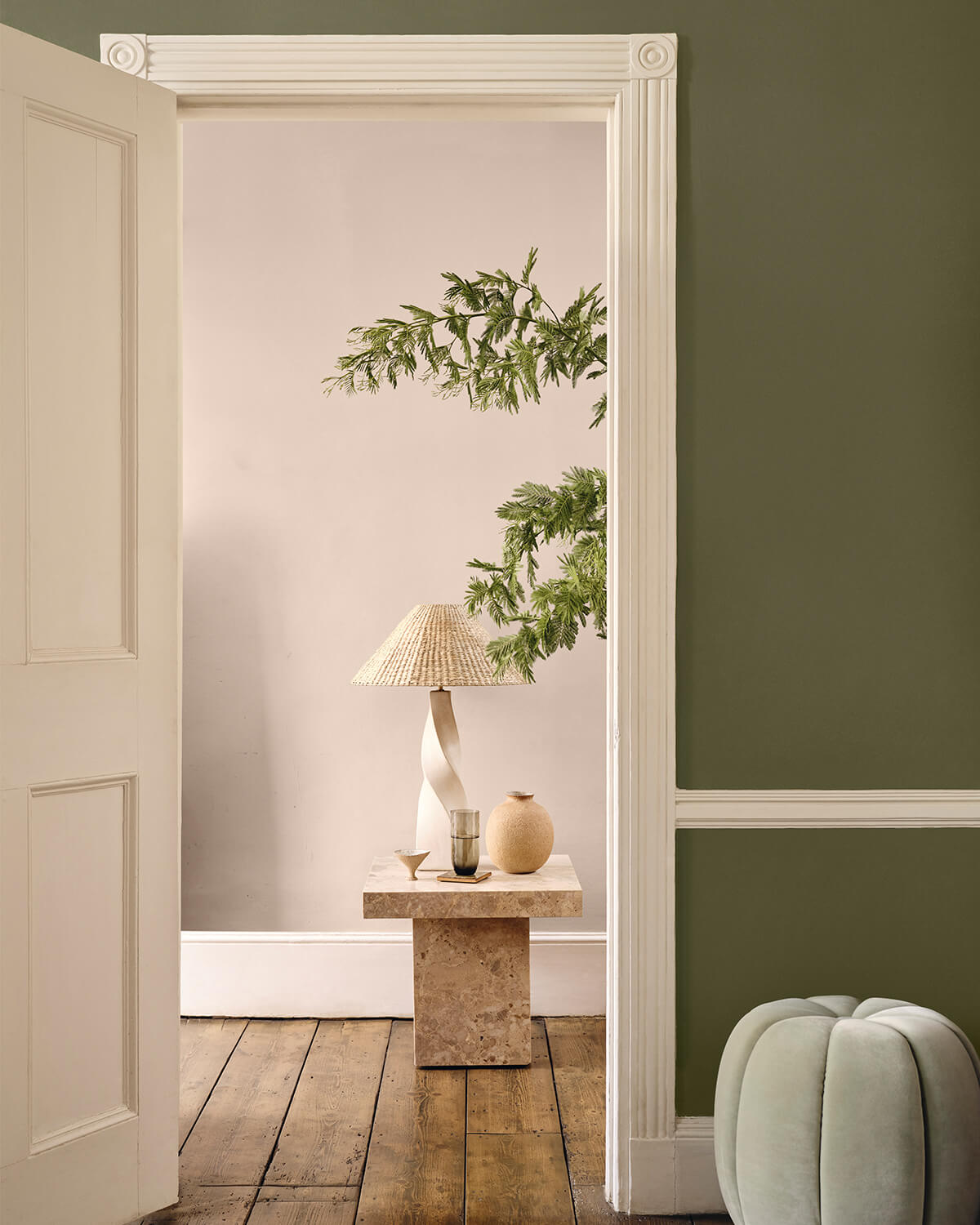
Opt for a natural colour palette
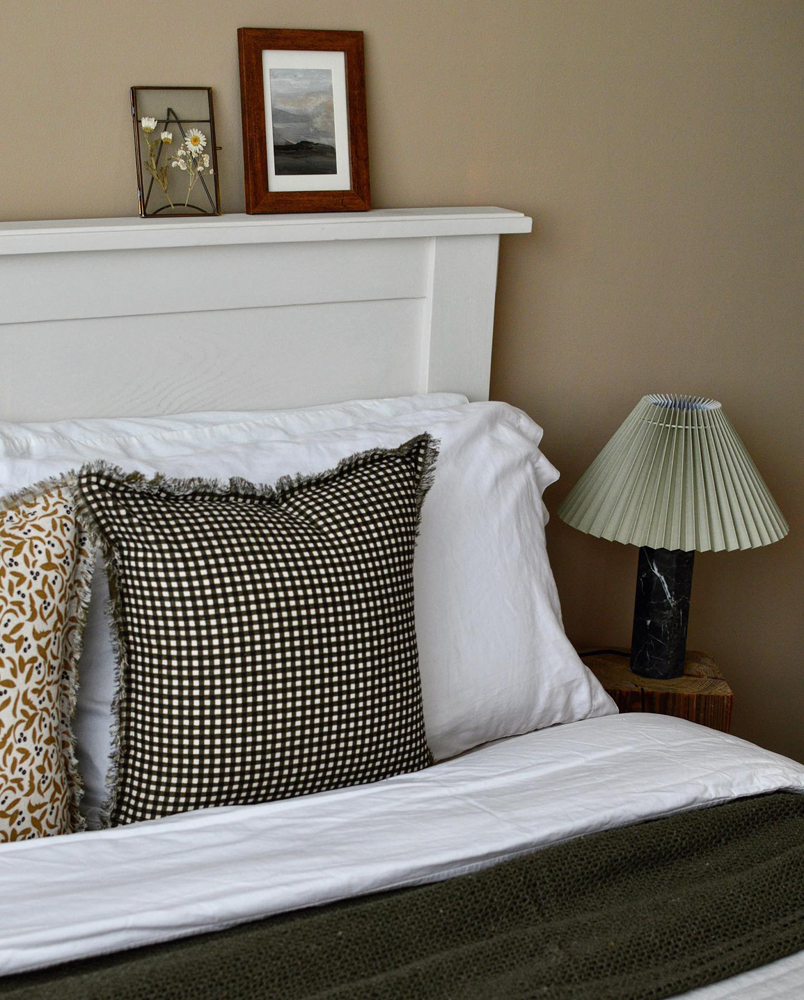
Another critical component of biophilic design is a colour palette inspired by nature. According to colour psychology, natural colour palettes with soothing beiges and gentle greens help soothe the mind and bring a sense of calm into the home. Alternatively, some of our botanical wallpapers incorporate biophilic design elements too.
Explore our biophilic colour palette
Fill your home with house plants
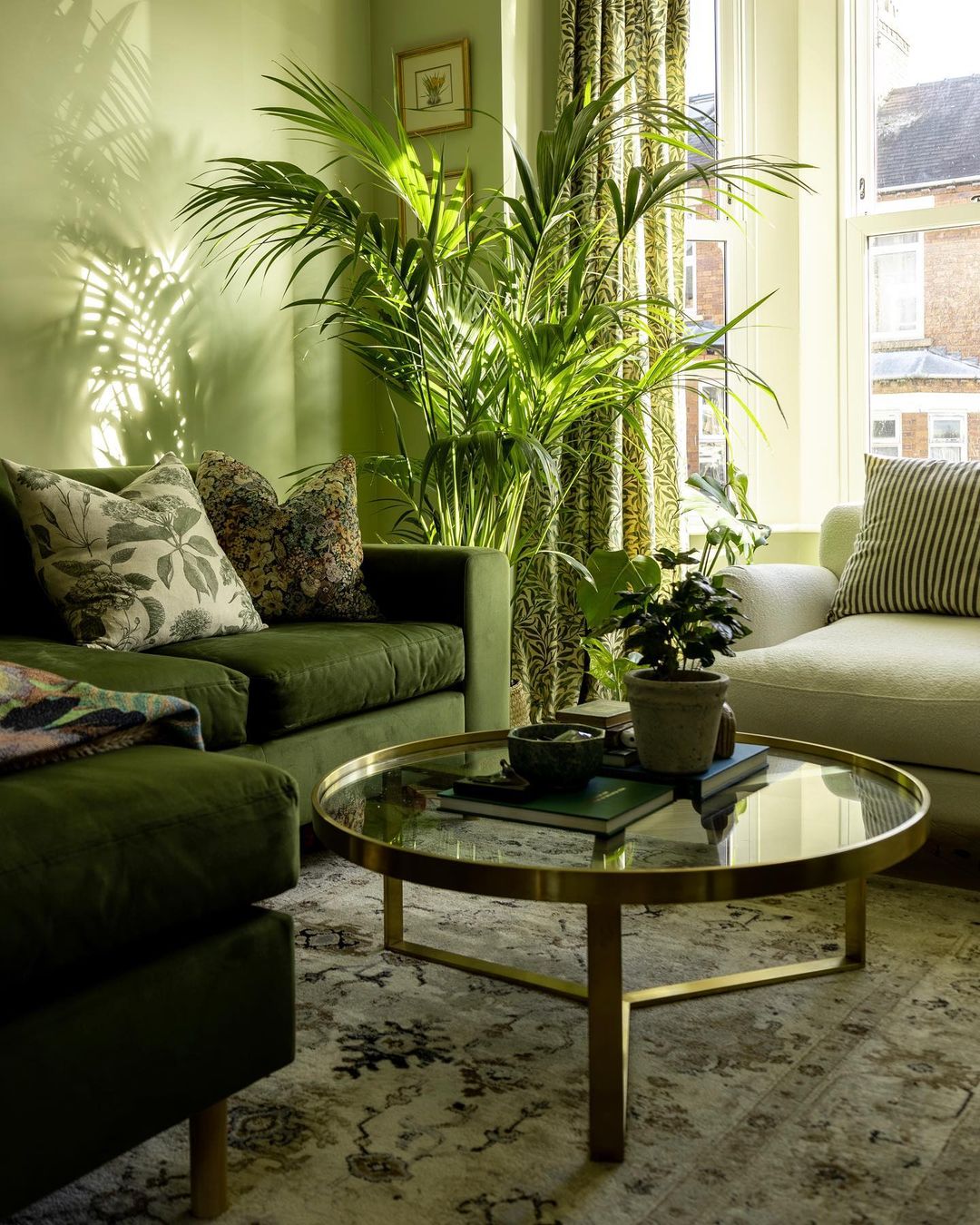
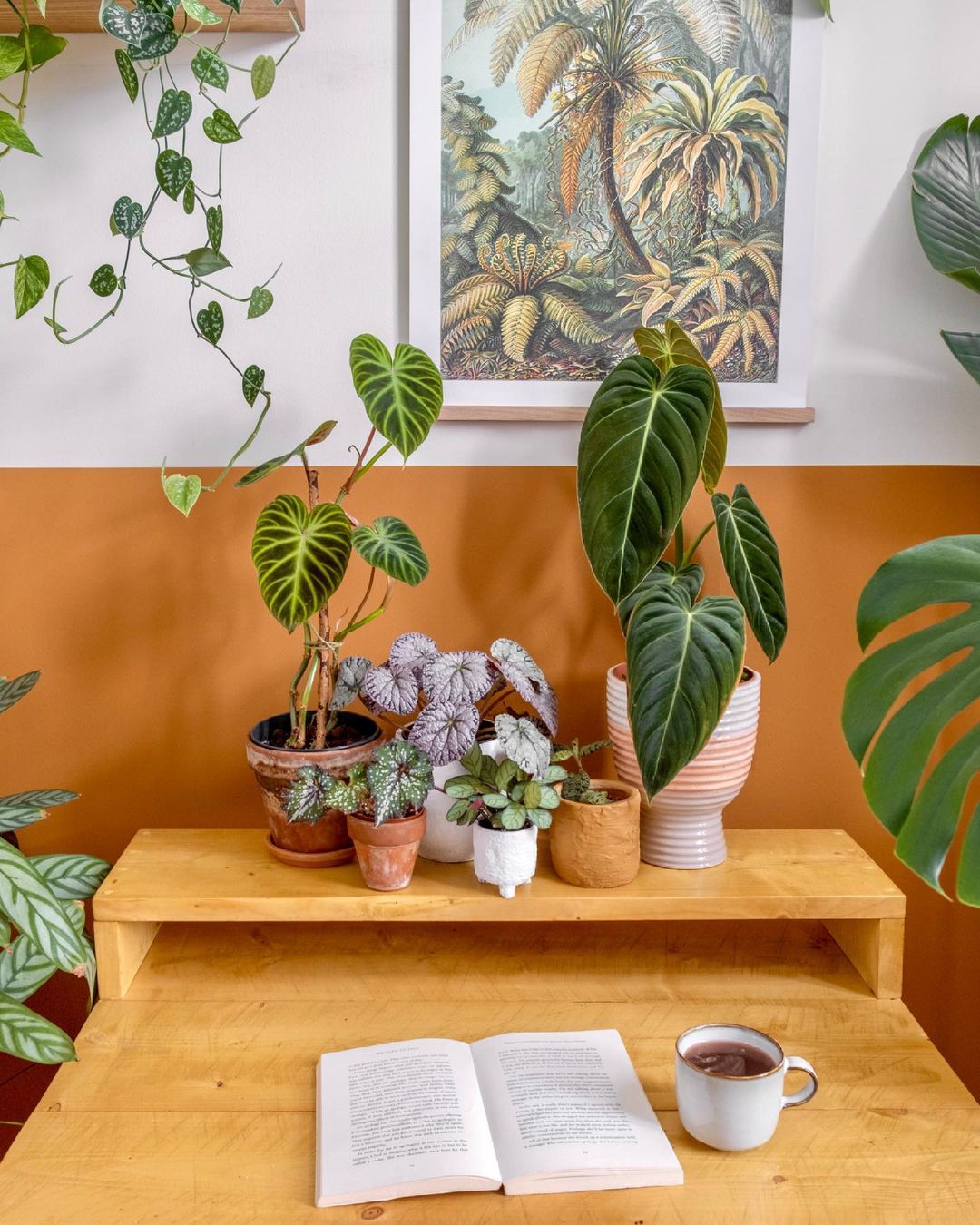
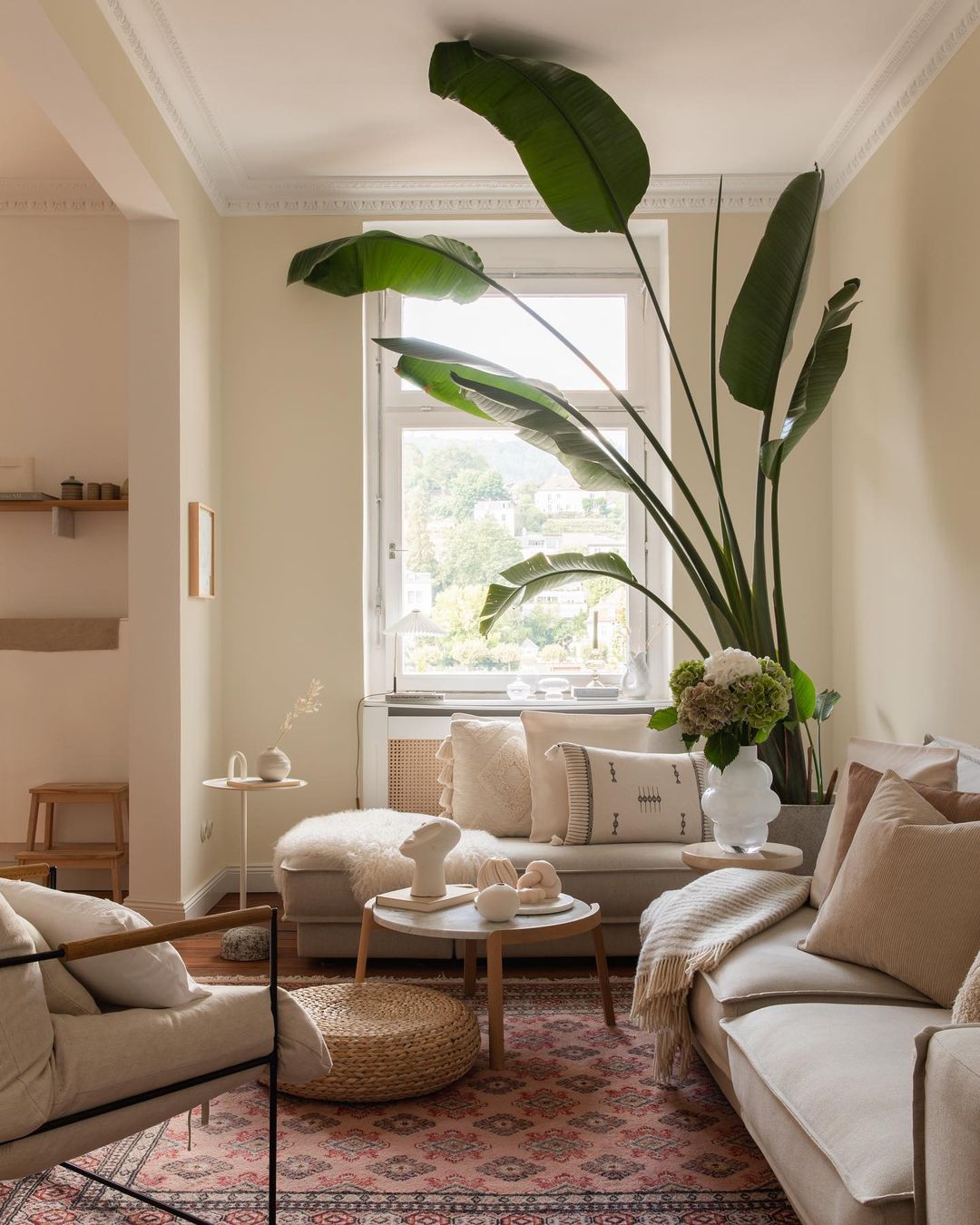
Easy and rewarding and something that lots of you are probably already utilising in your homes, there's a reason we humans are adopting house plants like they're going extinct—it's in our nature. We're sure you've all seen the macrame hanging basket trend, but there's a reason this is so popular. Whether through hanging pots or taller palm-like plants, creating different height levels mimics the diversity of a forest scape.
A great way to bring the outdoors in, these leafy house pets provide far more than just window dressing. Studies have shown that house plants can improve our mood, reduce stress levels, and increase work productivity. Not bad for a bit of foliage.
Choose natural, organic materials
Bring materials that can be found in nature into your home. Wood is an obvious choice, but you can also think about incorporating materials like stone, terracotta, and bamboo. Remember, biophilic design is about living in harmony with nature, so think about the environmental impact of these choices: responsibly sourced or reclaimed wood, bamboo, and even cork are much more environmentally friendly. And when it comes to your decorative flourishes, seagrass baskets, organic cottons, and a sisal carpet will give your kitchen that softer, lived in feel.
Improve your air quality
Your air quality probably isn’t the first thing you think about when creating a biophilic design home, but it’s a really important component. Especially in the kitchen, which is subject to greater extremes of temperature, smells, as well as cleaning products. Good ventilation is key—you’re trying to create an environment as close to the natural world as possible. Plants are the best natural way to do this, with devil’s ivy (one of our favourites), spider plants, and rubber plants being some of the best. Air diffusers, installing a cooker hood or window fan are good options, but the most cost-effective is simply remembering to open your windows now and again.
Embrace natural light
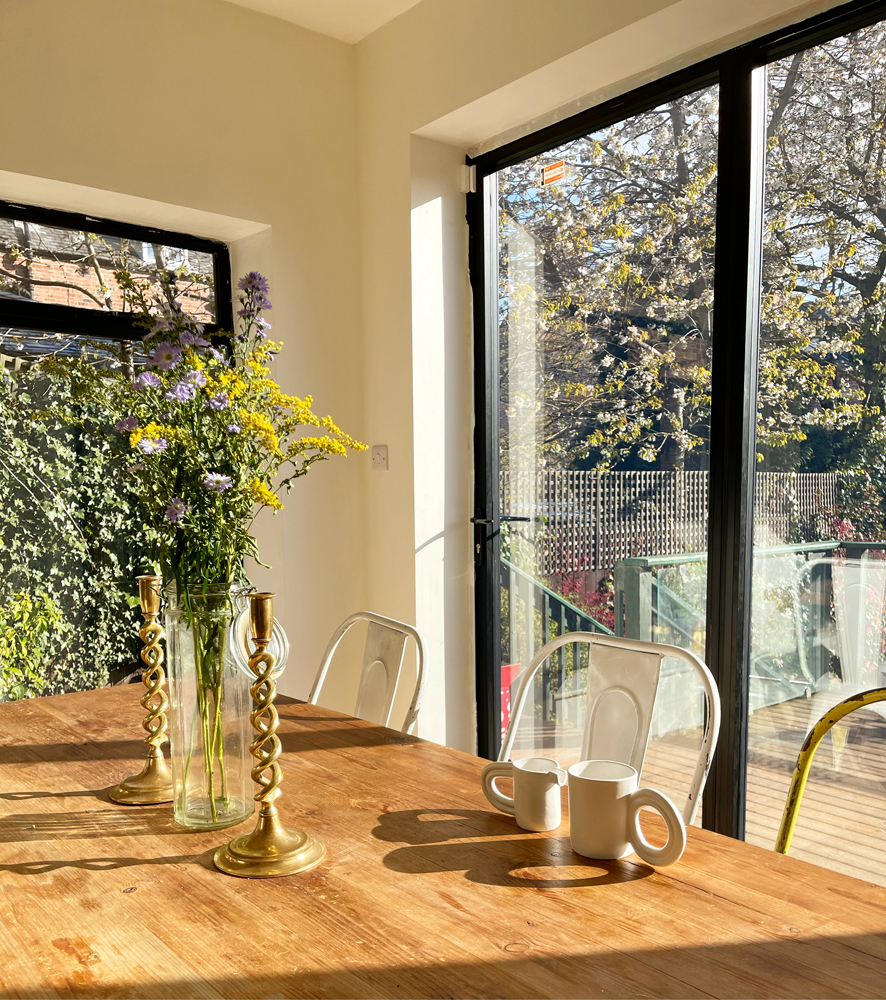
When it comes to natural light, you've got to work with what you've got but think about the areas of your house that do get good light. If you’re redecorating, think about using paint colours that bounce light around the room, like White 05 and Beige 01.
If you are planning on a complete house renovation, skylights and glass side returns are effective ways to allow more natural light into an existing structure.
Losing the window dressing can make a big difference too: a bare window will allow more light to come streaming through and if it works (kitchens aren’t always an obvious room for mirrors) placing a large mirror close to a natural light source will double its effect.
Natural vistas
We might not all look out onto rolling hills and shimmery seascapes (if you do, make the most of it), but there are plenty of ways to add a bit of the natural world to your view.
For example, if your bed is positioned in front of a window with a less than inspiring view, why not arrange window boxes filled with plants within sight. Extra points if they are pollinators. Or, if your kitchen overlooks your trusty recycling bins, try creating a natural screen with bamboo.
We hope this helped you discover a little more about biophilic design—the interior trend we love that's here to stay.