


How to create a colour scheme when planning a house renovation

Image via @teawithruby
Colour schemes are the secret to making a room feel relaxing and harmonious while still having a distinct personality. Instead of your favourite furnishings competing for attention, a colour scheme gives each piece its own moment to create impact. When you go a step further and apply a colour scheme to your entire home, you’ll immediately notice how it improves the sense of flow as you look through doorways and move between rooms.
Creating a colour scheme for an entire house might seem like an overwhelming task, but it’s possible to break it down into smaller steps that are much more enjoyable to plan. Let’s take a look at how to pick the best colour scheme for your own house renovation.
1. Think about the vibe you want to create in your space
Before you even look at colour swatches, it’s important to pin down how you want the atmosphere in your home - and each individual room - to feel. Do you like the idea of a pared-back, continuous tranquillity throughout your home, or would you like each room to contribute to a bold, cheerful statement?
When it comes to individual rooms, where do you want to feel most alert, and where should be restful? Which spaces deserve a formal atmosphere, and which should be more cosy and intimate?
2. Consider the time of day when you use each room
Colour is going to play a big part in uplifting you in the morning and soothing you in the evening so, factor in the time of day you’ll most likely be using each room. For example, an en-suite shower room might be a good candidate for bright, zesty colours to bring energy into your morning, while your living room could be a soothing pink or cocooning navy if that’s where you like to curl up after dinner.
The natural light in each room will also have an impact on colour. In the morning, light tends to be brighter and clearer, gradually turning more golden and red-toned throughout the day. For this reason, home offices are often best kept in a restful, neutral colour that won’t be too intense at any hour.
Read our blog on north, east, south, and west-facing rooms and how this affects light and colour. Have you got a north-facing room and don't know which colour to paint it?
Check out all our colours for north-facing rooms.
3. Understand your fixed elements
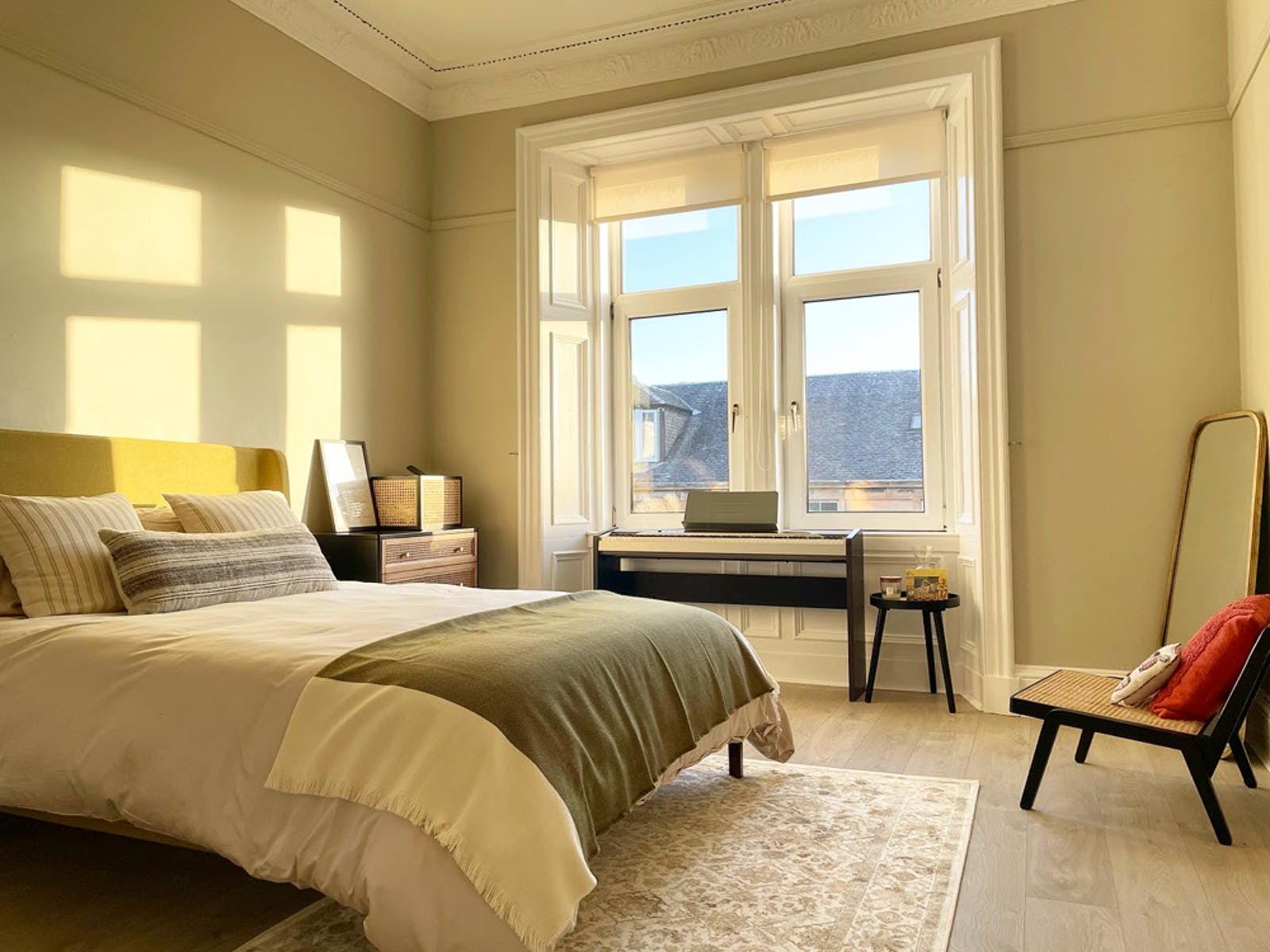
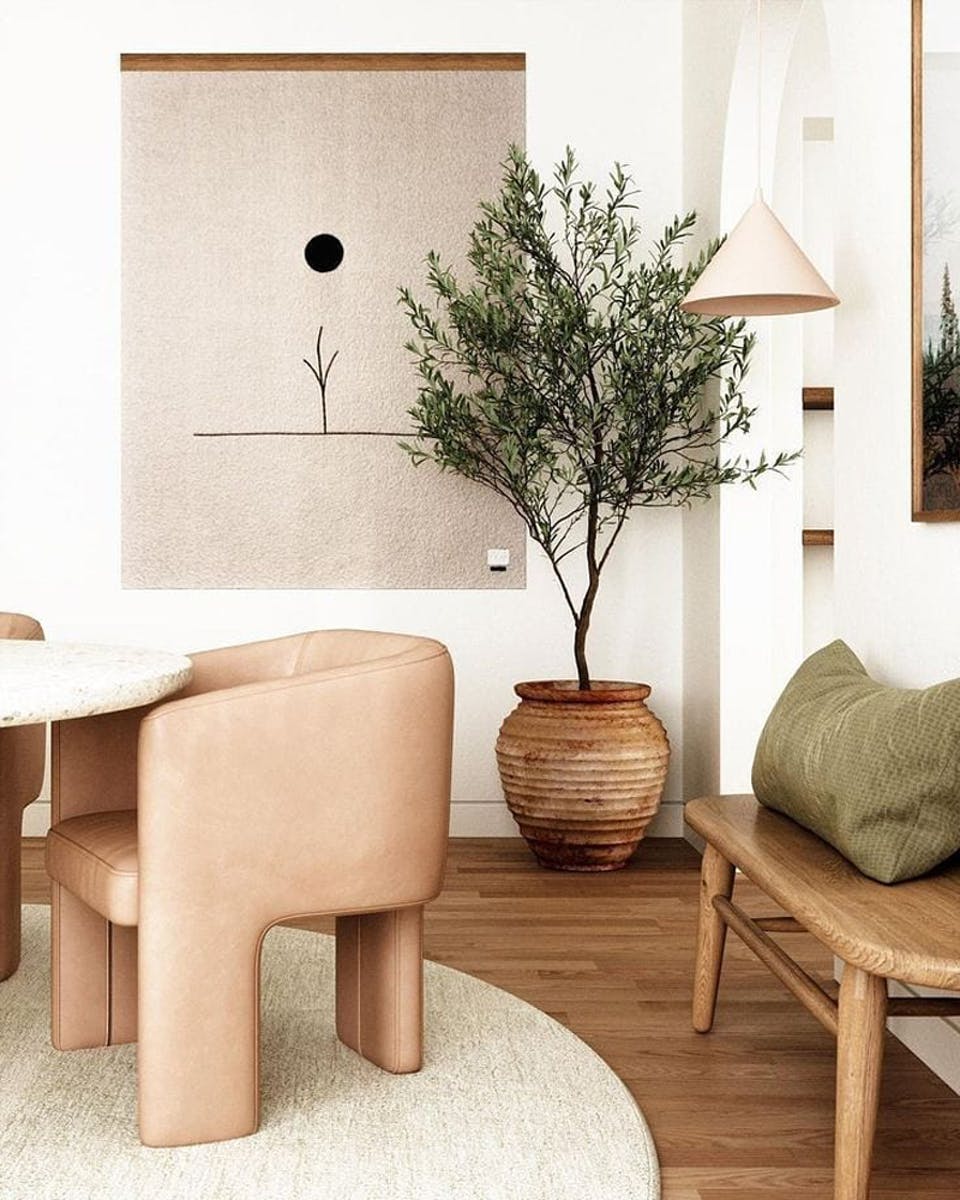
What items or features are already going to be part of your house renovation? Use them to start informing your colour palette. For example, creating a scheme around a beloved rug, rattan console, vibrant wallpaper or stylish set of furniture to use as a centrepiece. Find the neutrals or background shades to use as the base of your home’s colour palette, then use brighter colours within the patterns to inspire smaller splashes of colour in soft furnishings and accent décor. Check out these 5 ways to style your room around your favourite statement furniture.
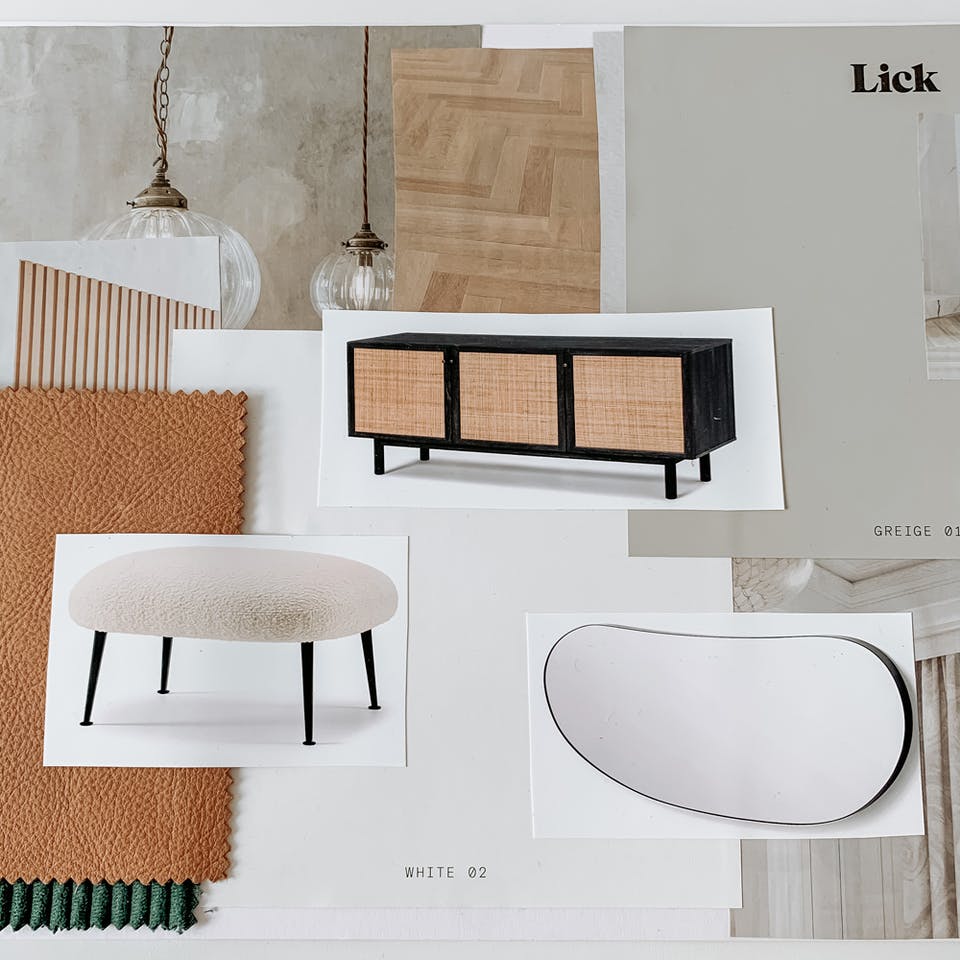
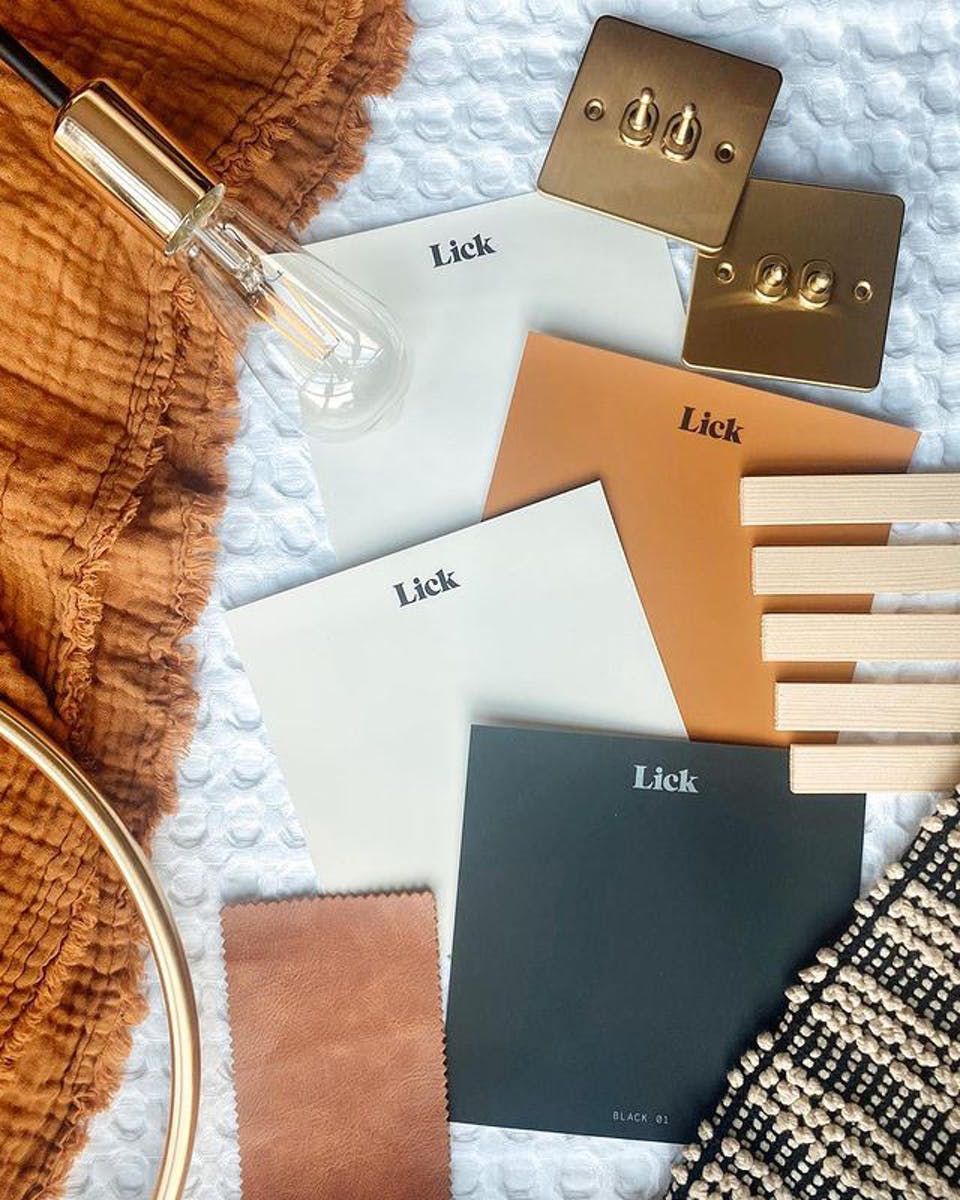
Maybe you’re hoping to keep lovely timber floors exposed, or emphasise a gorgeous wood or marble fireplace surround? Create a visual connection in other rooms by choosing the same kind of timber, or a multi-tonal wood that picks out the same colours but also pulls in other shades.
If your woodwork has a clear undertone, you can pick a paint palette that matches and emphasises the shades, or contrasts with it. A third option is to choose complementary colours as the undertones; balancing yellow-toned woodwork with a violet- or blue-toned paint, like Grey 02 or Grey 03, for example. Shop our grey paint colours.
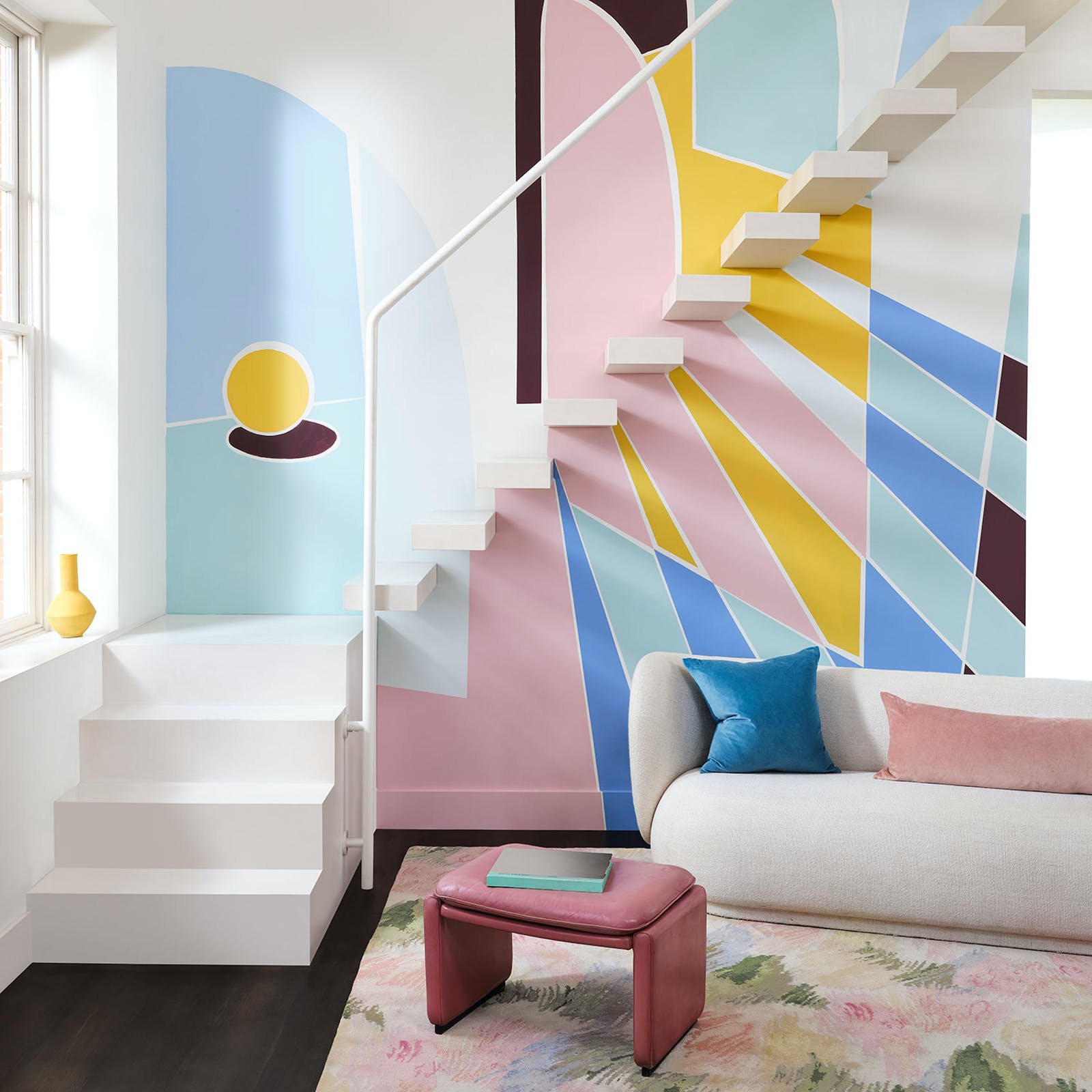
Let the architecture guide your colour transitions. Corners, moulding, staircases and archways are natural points at which to change to a new colour or pattern, and you can break up large walls by painting a wall mural. Let your staircases's wood tones naturally colour block or paint them a contrasting colour (check out these painting stairs ideas for more inspiration).
4. Finding your favourite colours and style
Don’t fall into the trap of renovating just because of a current trend, or to impress friends or neighbours. It’s your space and home: fill it with colours you love and that make you happy.
Your colour palette should be imbued with your favourite colours and should avoid the ones you like least. A good exercise to help you find these is to find lots of inspiration from magazines, Pinterest and Instagram to slowly identify a pattern of what you’re drawn to. Create a visual interior design mood board with your favourite magazine clippings and notice how you gravitate towards certain colours and patterns. Find yourself gravitating to bright and bold colours? You'll probably love these colourful bedroom and living room ideas. It's all about what works for you and which colours you are drawn to. Check out Tash's advice below:
Of course, you might have known your favourite interior colours for a long time: Tash Bradley, Lick’s Lead Colour Specialist explains, “My favourite colour is a warm, burnt, buttercup yellow. My mum, who is a property developer and interior designer, has decorated all hallways and front doors in this beautiful yellow colour. It’s a very uplifting and happy colour, which always reminds me of my childhood. This is why I’ve used this colour in pockets in my home - it brings me great comfort and instantly takes me back”.
“Your colour palette should be imbued with your favourite colours and should avoid the ones you like least.”
Tash Bradley
Maybe your colours aren’t as specific, but there’s an era or style you want to evoke.
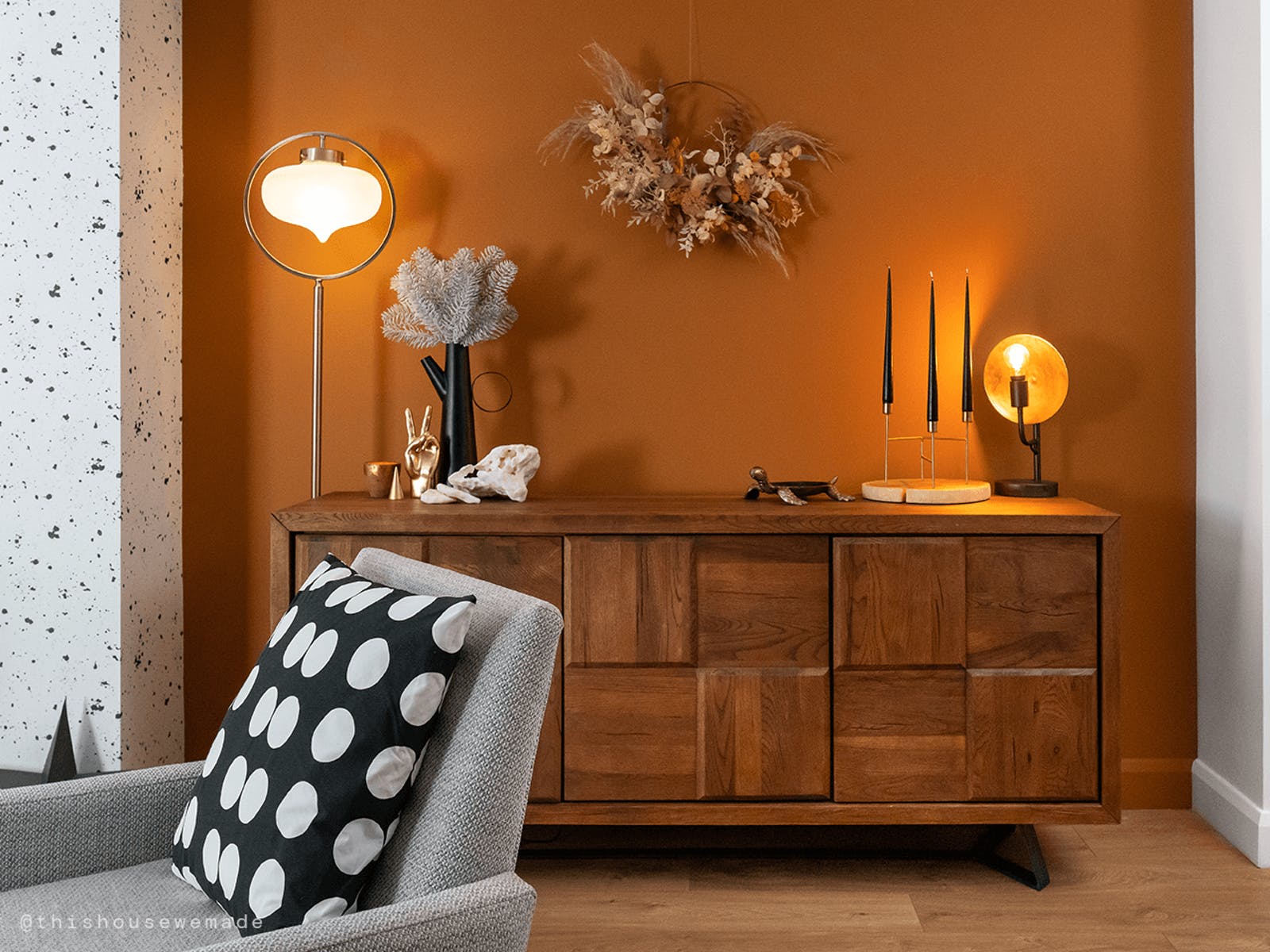
Decorating a beautiful 1920s home, for example, might have you reaching for the dusky pinks and blues from our Neo Deco pastels paint palette, while groovy ‘70s architecture is the ideal canvas for retro colours like warm reds and yellows (read about our retro colour palette). For something more contemporary, try the Japandi style and embrace a combination of stripped-back neutral paint colours and earthy tones.
Looking for inspiration? Check out how to style the Miami neo deco pastel paint colours in your home and real all about the Miami art deco style.
5. Choosing your neutrals
Bright colours can be daunting, so it’s okay to start with a relaxing neutral hue and gradually add colour. Your neutral colours are the motif that appear in every room to tie everything together. It might be on your hallway walls, your bathroom floor, your kitchen counters and your living room woodwork - the arrangement is up to you.
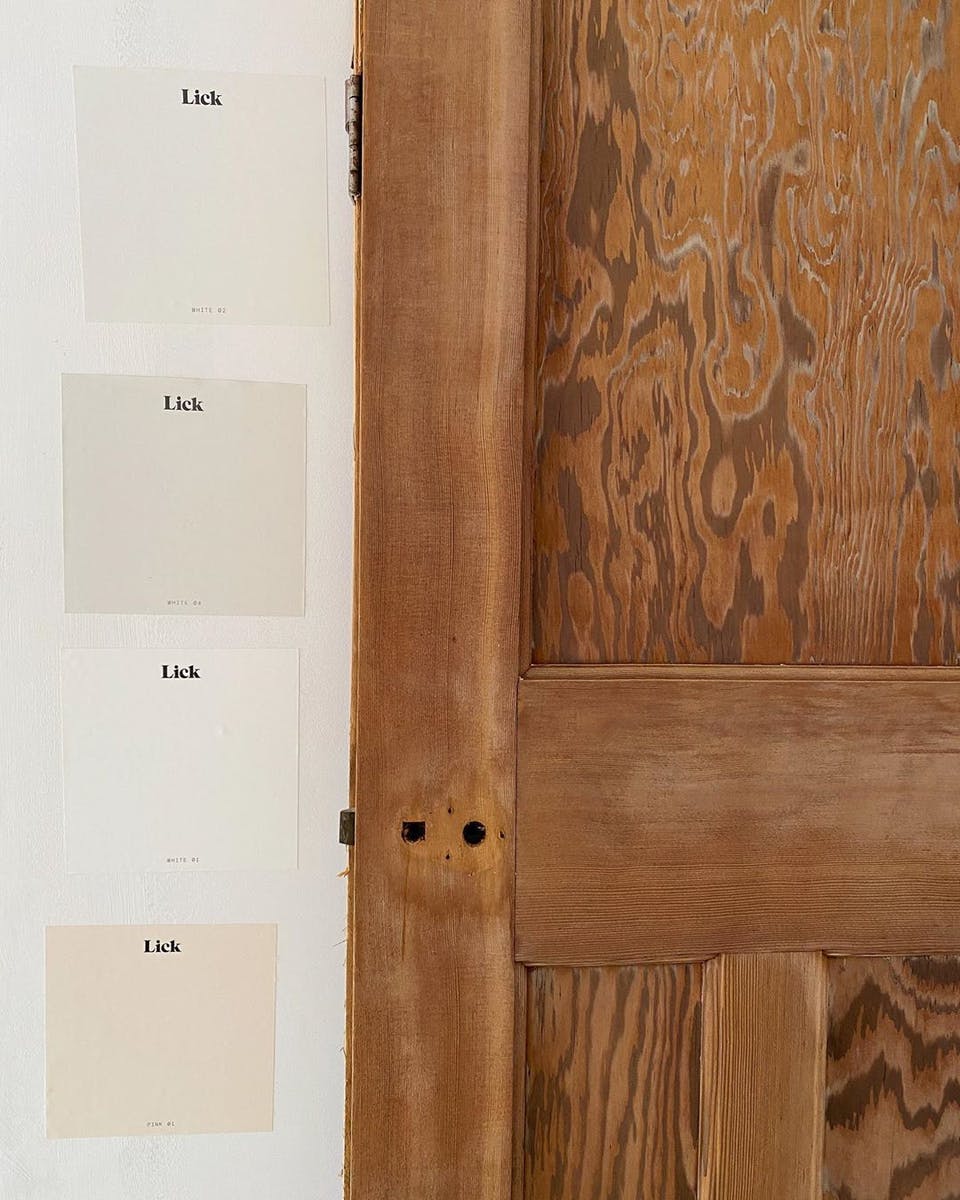
And so is the colour - although the majority of people choose a shade of white as their neutral colour, you can use something else. For example, light Pink 01 is one of our most popular neutral shades.
There are warm neutrals, like White 06, which has a delicate touch of pink, or Beige 03, which has gentle yellow tones (read up on the difference between yellow based and grey beige paint). Our collection of cool neutrals includes the blue-toned Grey 01, and White 01, White 02 or White 04, which each have hints of grey. To balance a palette that’s a combination of warm and cool, try Greige 01 or Greige 02.
6. Creating colour harmony
There are three main ways to build a colour scheme, each creating a different kind of atmosphere:
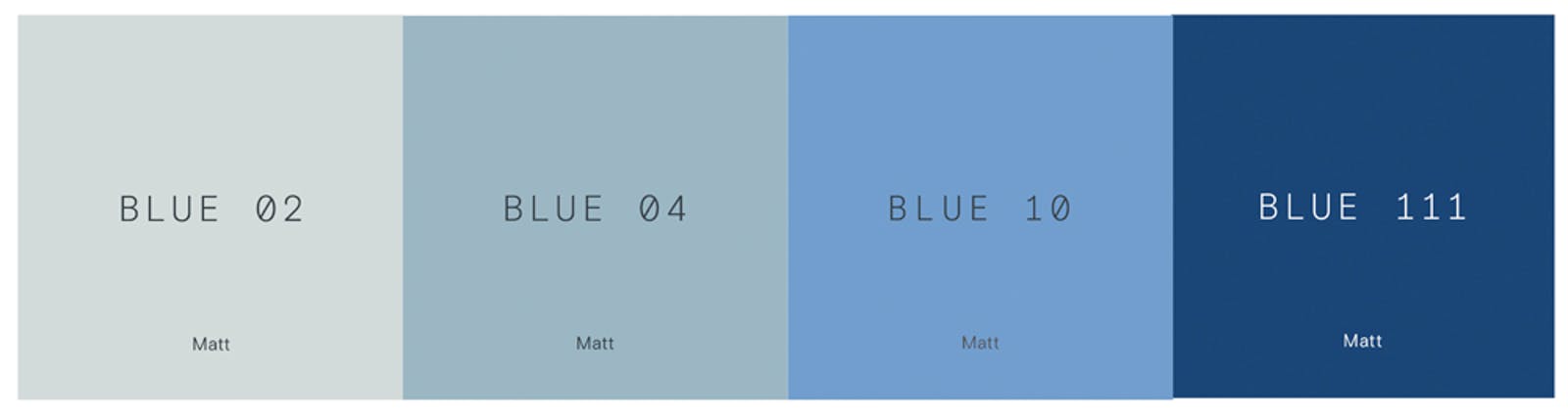
- Monochromatic colour schemes use the same colour in lighter and darker shades, for example, pale blue, mid blue (like our dusky Blue 10 paint) and deep blue. The effect is usually serene and relaxing - perfect for bedrooms or tranquil home offices.
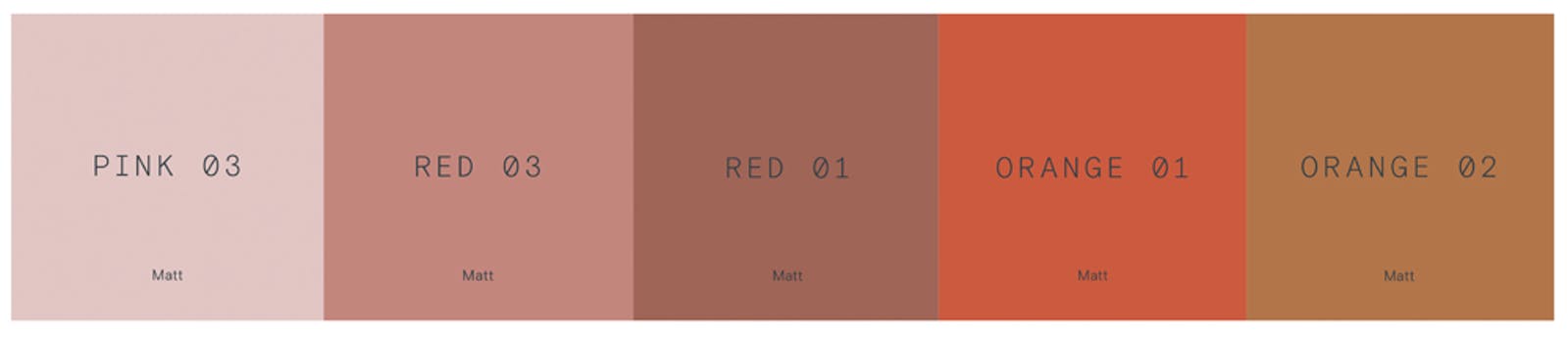
Analogous colour scheme use colours that are next to each other on the colour wheel, like supporting a burnt orange with accents in deep yellow and red. The effect is a little more energised to look at than tonal colours and can bring a hint of spice into a hallway or dining area. Another great way to spice up a hallway is through wallpaper. Try an analogous colour scheme in the design and instantly energise the space.
- Complementary colour schemes involve colours that are opposite each other on the colour wheel, like green and purple. These bold combinations are fun and inject life into a room, but can be a little overwhelming in large doses. Try sprinkling these kinds of contrasts into statement kitchens or vibrant living areas.


Choosing colours with the same weights and undertones will make even the brightest combinations feel easy on the eye, rather than jarring.
Find rhythm in the repetition of your colours throughout the house. Even if each room has a different base shade, add flashes of each accent colour to keep a sense of consistency and balance. The rule of thumb is that your space should be 60% your dominant shade, 30% your sub-dominant shade and 10% your accent colour.
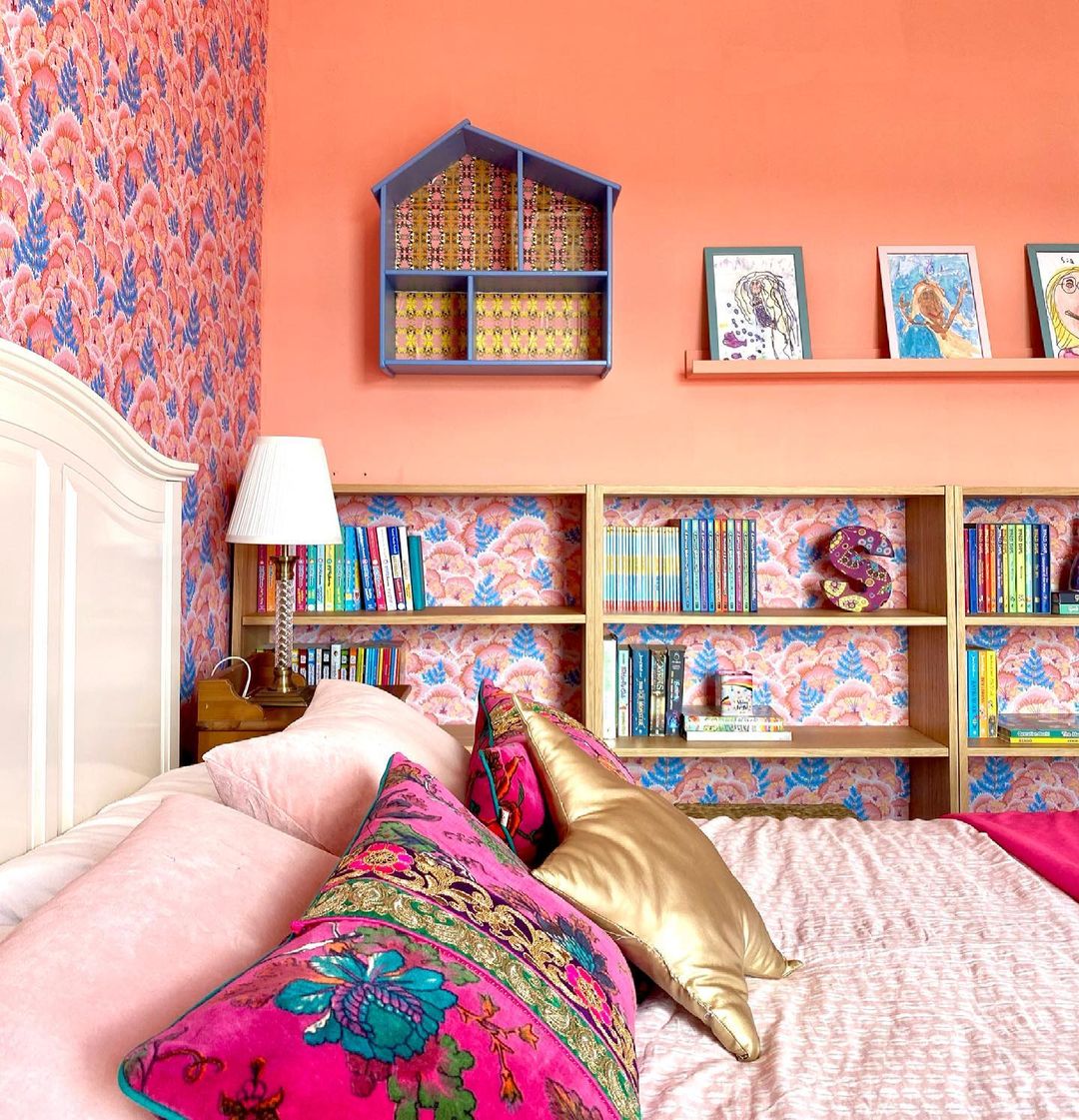
Remember that colour is everywhere, not just walls. Add textiles, paint woodwork and cover shelving with wallpaper if it helps tie your rooms together.
7. Getting practical: choosing colours and samples
We would recommend choosing 8-10 colours for your palette to cover an entire house renovation with some variety. In addition to our pre-curated Neo Deco pastels, Japandi style and 70s retro colour palettes that we mentioned earlier, we’ve got pastel colour tips, spring colours inspiration, and the Year of the Ox shades to give you more ideas.
Once you’ve decided on your colours, ordering paint samples is the best way to understand how your palette will come to life. Start with one space, like the entryway or the room you want to have the biggest impact (probably your living room or kitchen).
Next, move onto the connecting rooms and areas you can see from the first room, choosing different colours from your scheme. Each part of the house can still have a distinctive style and focus, as long as you link them together through trims, flooring, accents or neutral elements.
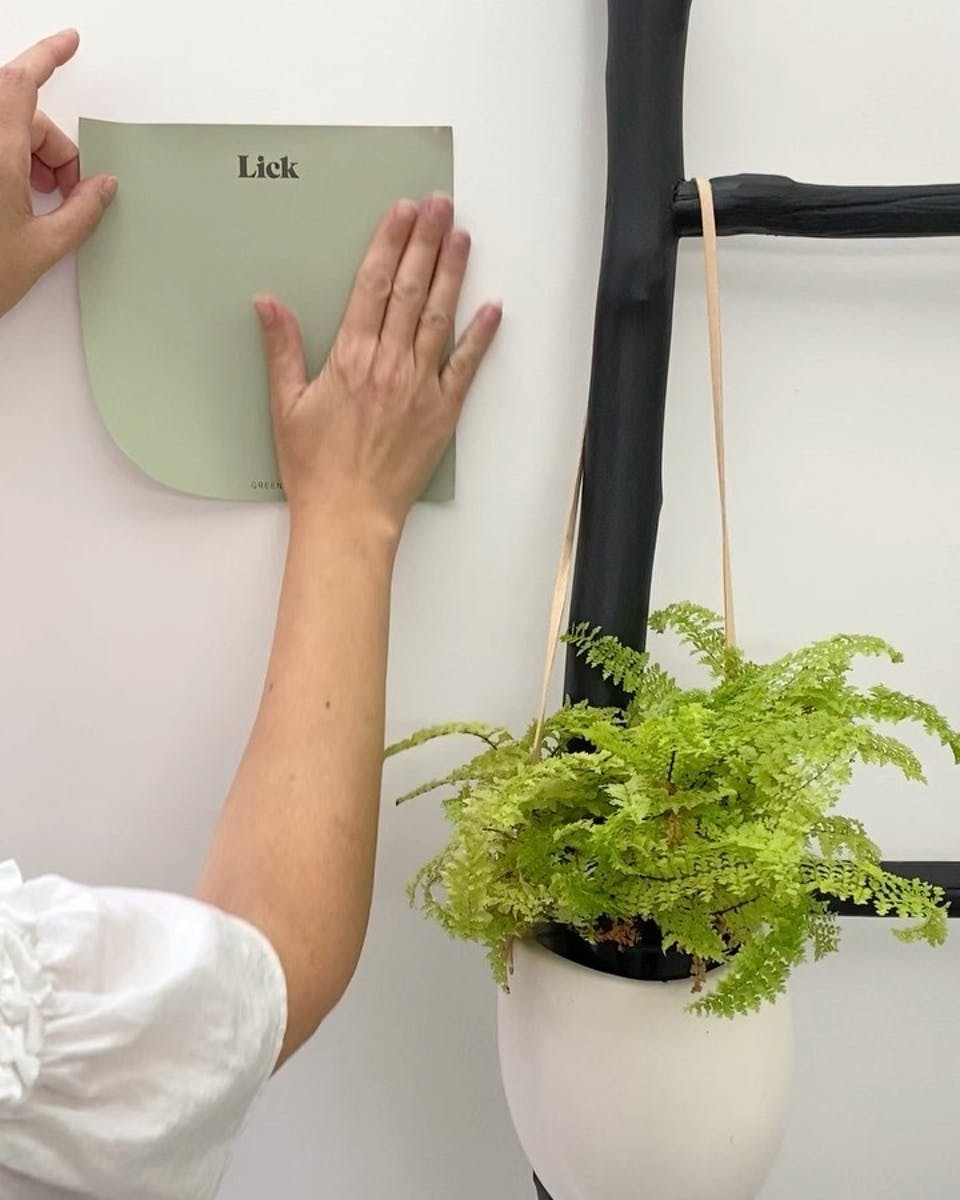
Our peel-and-stick paint samples allow you to move them between walls, helping you to understand the way the light hits the colours at certain times of day and how they look in different rooms and corners. Stick them up 1-2 days minimum to see how they make you feel and you’ll be much more confident that the colours you pick are 100% right.
Renovating a whole house is a big undertaking, but the process should still be enjoyable. Choosing a colour scheme is a surprisingly simple way to add personality and make your decisions easier at the same time. Now that you know how to create a colour scheme when planning a house renovation, check out our range of paint colours and wallpaper designs, and order some samples online or read on for more decorating tips.